

The real risks of dog daycare are specific and knowable: contagious illness like kennel cough, playgroups that mix the wrong dogs, stress no one notices, and full days of play with no scheduled rest. Every one has a safeguard that a well-run facility already has in place, and a question that confirms it. Vaccine requirements decrease the risk of contagious disease, temperament evaluations keep groups compatible, staff trained in body language catch trouble early, and built-in rest keeps overtired dogs from bad choices. A facility that answers in specifics has thought it through; one that dodges is telling you something too.
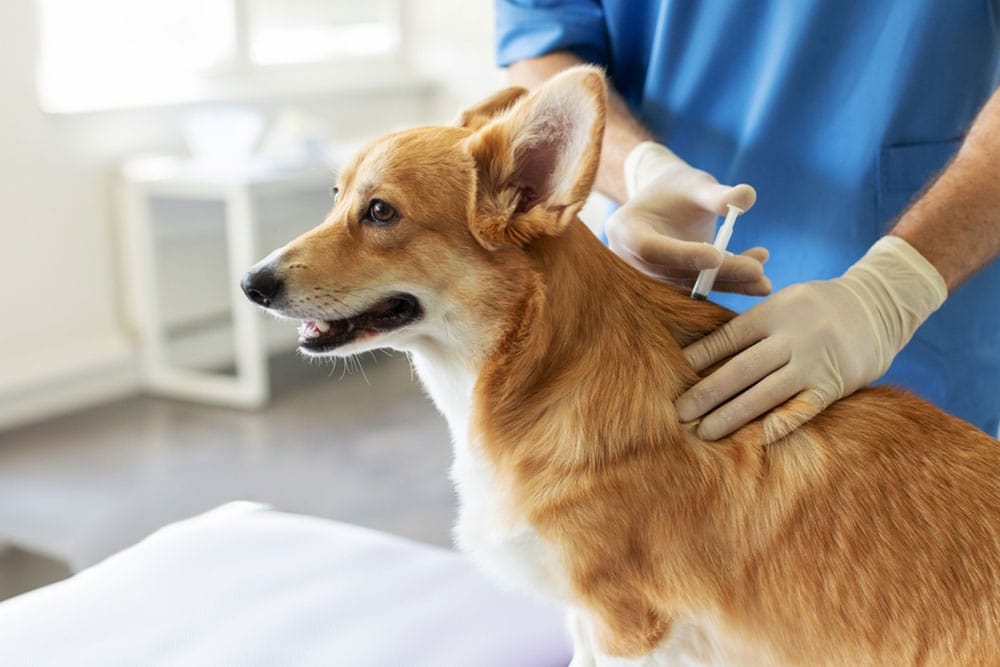
Cane Bay Veterinary Clinic can get your dog daycare-ready before that first drop-off, with the Bordetella and canine influenza vaccines most facilities require on top of the core series, plus a fecal test so your dog is not the one carrying parasites into the playgroup. As Summerville’s only Fear Free Certified practice, we handle those boosters with calming techniques that make the preventative care visit the easiest part of prep. You can schedule a visit before your dog’s first day to check on their vaccine needs or discuss whether daycare is even the right place for your dog.
Before the First Drop-Off
- Tour with pointed questions about grouping, supervision, rest, and cleaning, and treat vague answers as your cue to keep looking.
- Vaccines and a symptom-free policy lower the odds of contagious illness without erasing them, so parasite prevention and honest sick-day judgment still matter.
- Group play suits many dogs and stresses others, and that fit can shift as a dog ages, so daycare is not a pass-or-fail verdict on your dog’s character.
- A wellness visit a week or two before the trial day confirms vaccines, updates prevention, and catches anything that would make a busy play floor a poor idea.
What Makes a Dog Daycare Actually Safe?
A safe daycare rests on a handful of fundamentals: play grouped by size and temperament, real rest built into the day, staff who watch constantly and read canine body language, and clear communication about how your dog did. A spotless lobby tells you almost nothing; the play floor is where quality lives.
Standards swing wildly from one building to the next. Good group play does more than burn off energy; structured socialization at a well-run daycare builds a dog’s confidence and teaches the give-and-take that keeps play friendly. What you want to confirm is how the humans run the room, and “the dogs love it here” is not an answer to any of it.
Is Daycare the Right Choice for Every Dog?
Daycare suits a lot of dogs and genuinely does not suit others, and neither answer is a knock on your dog. Every dog has a different tolerance for group settings, and that threshold shifts over a lifetime as puppies mature, adults settle into their preferences, and seniors lose patience for a crowded, noisy play floor.
The most honest read is canine body language: loose movement, play bows, and a shake-off between bouts say a dog is having fun, while a tucked tail, stiff posture, and constant efforts to escape say the opposite. A dog who hides under the bench, guards a corner, or comes home wired and unable to settle may be telling you group play is too much for now. For dogs who find the world a little loud, our Fear Free care for anxious and reactive dogs helps you sort nerves that ease with time from a temperament that would rather skip the crowd.
Is Daycare Safer Than the Dog Park?
For many dogs, a well-run daycare is the safer bet, and the difference is structure. The real dog park risks come down to what a public park lacks: temperament screening at the gate, trained staff reading the group, and accountability when a play session tips into a fight.
| What matters | A quality daycare | A public dog park |
| Screening | Vaccines checked, temperament evaluated before entry | Anyone walks in, no records checked |
| Supervision | Trained handlers watching the whole group | People chatting, distracted, or absent |
| Grouping | Dogs matched by size and energy | Puppies, seniors, and pushy adults mixed together |
| Accountability | Staff step in and document incidents | No one responsible when play turns rough |
None of this makes a dog park off-limits. A calm, dog-savvy adult with a reliable recall can have a great time at a quiet park at the right hour. The question is simply whether your dog does better with trained eyes on the group.
When Can a Puppy Start Daycare?
A puppy should not join a general daycare group until the core vaccination series is finished, usually somewhere around sixteen weeks, because a developing immune system and a shared play yard are a risky pairing. Some facilities run dedicated puppy groups with stricter health rules that may fit earlier, once the series is well underway.
When you do look at puppy daycare, the questions get more specific: whether puppies are grouped by age and size rather than turned loose with adults, whether days are shorter with real naps since young dogs tire fast, how often surfaces are disinfected and with what product, and whether puppy groups stay apart from the adult floor with enough handlers on each group.
Puppy Classes or the Dog Park While Shots Are Still Coming?
The window for puppy socialization closes early, well before the vaccine series is finished, so locking a puppy away until then carries real costs of its own. Well-run classes on clean, easily disinfected floors, with other healthy vaccinated pups, are the safest place to build social skills during this stretch; a public park is the riskiest, since parvovirus lingers in soil and nothing at the gate keeps sick dogs out. Finishing the series and graduating a class or two also smooths the eventual daycare transition. Our puppy visits cover exactly this stretch, and we can map class and daycare timing against your puppy’s vaccine schedule.
What Should You Ask About Staffing, Supervision, and the Building?
The heart of daycare safety is who watches the dogs, how well trained they are, and how the building holds up when conditions get hard. The goal is not a place where conflict never happens, but one that heads it off early and responds well when it does.
Whether the room stays calm comes down to safe group play practices: handlers who sort dogs by size, energy, and temperament, watch constantly, and break up rough patches before they escalate. Ask what training staff have in body language and de-escalation, and what the handler-to-dog ratio actually is on a busy afternoon. How a newcomer joins matters just as much: a careful facility follows a real protocol for introducing dogs slowly and one at a time instead of dropping them into a crowd of strangers.
The building tells you how a place runs when the weather turns, and in the Lowcountry that matters. Summerville summers are hot and humid, so ask how the space stays climate-controlled, how staff spot and prevent heat trouble, and what dogs do for enrichment on days too hot to be outside. Flat-faced breeds, seniors, overweight dogs, and any dog with a heart or airway condition overheat faster and need extra eyes. Ask too about resource-guarding management with toys in the play area and how often play surfaces are cleaned. Vague answers, no visible rest areas, a refusal to let you see the floor, and dogs of wildly different sizes crammed together are all reasons to keep looking. If your dog comes home overheated, panting hard, or wobbly, call us right away, or head to the nearest veterinary ER if it is outside our hours.
Which Vaccines and Prevention Should a Daycare Require?
Ask exactly which vaccines a facility requires and how it verifies them, because the dog with lapsed records is the risk to everyone else. Most want the core series plus Bordetella, and often canine influenza, with rabies expected almost everywhere. These requirements lower risk considerably; they do not erase it.
Typical requirements look like this:
- Core vaccines: distemper, adenovirus, and parvovirus, usually given together, plus leptospirosis and rabies.
- Bordetella: the kennel cough vaccine, required by nearly every daycare and boarding facility.
- Canine influenza: increasingly asked for, especially where dogs gather in numbers.
Vaccines are only half the story; year-round prevention and routine fecal testing guard against intestinal parasites that pass easily between dogs sharing grass, water bowls, and play yards. In our warm, wet region, heartworm, flea, and tick protection belongs on the calendar all twelve months, and most facilities also want a symptom-free stretch before a dog returns from any illness. We can confirm vaccine timing and tailor a prevention plan that matches your daycare’s intake form and hand you the documentation to bring along.
What Contagious Diseases Spread at Daycare?
Group settings raise the odds of contagious disease even with good cleaning and vaccine rules, because dogs share air, water, and ground. The strongest protection is a stack: current vaccines, consistent parasite control, and the discipline to keep a sick dog home. Most of what circulates is preventable or manageable when caught early.
The usual suspects break down like this:
- GI Problems: Parvovirus survives in the environment for months and spreads through contaminated ground and surfaces. Giardia hides in shared water and contaminated ground and often surfaces as diarrhea a few days after a visit, which is why a fecal test matters even when a stool sample looks normal.
- Respiratory Viruses: Canine influenza and kennel cough travel through the air and shared water bowls, which makes a busy play floor an easy place to catch it.
- Bacterial Diseases: Leptospirosis hides in standing water and wet soil, both easy to find in a Southern play yard, and it can pass to people as well as dogs. Bacterial conjunctivitis, or pink eye, is also contagious between dogs with close contact.
- Warts: Oral papilloma virus causes harmless bumps around a young dog’s mouth that usually clear on their own, though they spread through direct contact and shared toys.
- Skin and Parasites: Ringworm, a fungus rather than a worm, shows up as circular patches of hair loss and needs a look from us. Sarcoptic mange brings sudden, intense itching and needs a same-week visit. Fleas jump from pet to pet, making preventatives critical to prevent bringing an infestation home with you.
If your dog develops a cough, diarrhea, or a fever after a stay, our in-house diagnostics help us pin down what is going on quickly so treatment can start.
How Do You Set Your Dog Up for a Great First Day?
The smoothest first days are the ones you plan for. Handle the health and paperwork ahead of time, keep the transition gradual with short trial visits and calm goodbyes, and the trial day gets to be about one thing only: whether your dog actually enjoys the group.
Trial Sessions and Honest Communication
Start small. A short trial session of an hour or two tells you and the staff far more than a full day thrown at a nervous first-timer, and a calm, matter-of-fact drop-off helps your dog read the whole thing as no big deal. Be honest with handlers about the real stuff: a medication schedule, the leaf blower that sends your dog sideways, a sore hip that limits rough play, or a habit of guarding tennis balls. None of it is a strike against your dog; all of it helps staff keep the day safe.
Handling Health and Logistics Ahead of Time
A little groundwork clears the way:
- Book a wellness visit a week or two out: enough lead time to update anything the intake form flags without a last-minute scramble.
- Refresh preventives and run a recent fecal exam: most facilities want proof of both before the first visit.
- Gather the paperwork: vaccine records and any medication instructions the facility keeps on file.
- Plan a short first day and feed lightly beforehand: a big breakfast plus hard play can upset a jittery stomach.
- Know what a good pickup looks like: pleasantly tired and ready to nap is the goal, while frantic, limping, or shut down means shorter visits or a rethink of the fit.
When you tour a place, these are the areas worth a straight answer on:
| Ask about | What a good answer sounds like |
| Vaccines and parasite prevention | Specific required vaccines, checked against records, plus a symptom-free return policy |
| Grouping and supervision | Dogs matched by size and temperament, with a real handler-to-dog ratio |
| Rest and safety | Scheduled nap time and quiet spaces, not nonstop play |
| Injury and illness response | A clear plan for who they call and what they do |
| Cleaning | Named protocols and products, done on a schedule |
| Seniors and medical needs | Willingness to accommodate meds, mobility, and slower dogs |
Frequently Asked Questions About Dog Daycare
How Often Is Too Often for Daycare?
Most dogs do well with two or three daycare days a week rather than five. Full days of stimulation are wonderful in moderation, but back-to-back marathons leave some dogs chronically overtired, wound up, and quicker to react. If your dog bounces back rested and content, the schedule is working; if they come home frazzled and stay that way, fewer or shorter days, or a mix of daycare and quiet home time, usually helps. There is no single right number, only your dog’s honest response.
Are Minor Scratches After Daycare a Worry?
A few superficial scratches after a busy play day are usually nothing, and a gentle clean at home is often all they need. What deserves closer attention is anything that punctures the skin, swells, grows tender, oozes, or looks worse the next morning. When in doubt, a quick photo and a phone call save a lot of guesswork.
Why Has My Dog Suddenly Soured on Daycare?
A dog who used to love daycare and now drags their feet is communicating something worth listening to. A scuffle with another dog, a change in staff or playgroups, a new ache like a stiff joint, or simply getting older and craving quiet can all flip the switch. Start with a health check to rule out pain or illness, then talk with staff about recent group changes. Sometimes the fix is a different playgroup; sometimes it is fewer days or a calmer setting altogether.
Finding the Right Fit for Your Dog’s Comfort
The right daycare for the right dog is a genuine gift: exercise, friends, and a tired-happy nap at the end of the day. The wrong fit creates the exact problems you hoped to avoid. A strong facility protects health, supervises play, requires sensible vaccines, and takes rest as seriously as play. If daycare turns out not to suit your dog, a quieter arrangement is a perfectly good plan B. When you are ready, schedule a pre-daycare exam and we will get vaccines current, weigh whether group play fits, and help you settle on the setting where your dog is most comfortable.







Leave A Comment