
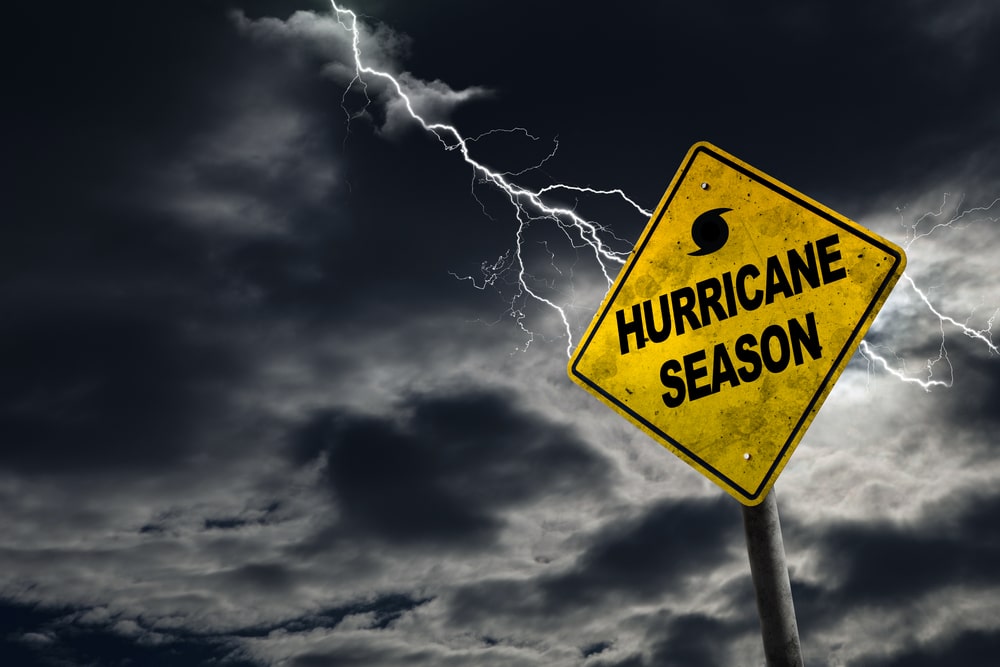
Every Summerville pet family knows the late-summer drill: the forecast starts tracking something out in the Atlantic, the grocery store runs low on water, and suddenly you’re wondering where the cat carrier went and whether anyone’s vaccine records are current. Hurricane season runs June through November here in the Lowcountry, and the pets counting on you don’t understand evacuation orders or howling wind. They just know something feels off. The good news is that preparing your dog or cat for a storm is very doable, and a calm plan made in advance beats a frantic scramble when a named storm is bearing down on the coast.
At Cane Bay Veterinary Clinic, being a Fear Free Certified Practice means we think about your pet’s stress and comfort in everything we do, storms included. Before the South Carolina storm season ramps up, our preventative care visits are the perfect time to update vaccine records, confirm your pet’s microchip is registered, and refill any medications you’d want on hand. If you haven’t gotten your pet storm-ready yet, request an appointment and we’ll help you check those boxes before the next system spins up.
Storm Prep at a Glance
- The safest hurricane plan is built calmly before a storm is named, not during the rush once one is forecast.
- No pet should ever be left behind; if it isn’t safe for you to stay, it isn’t safe for them either.
- Sheltering at home and evacuating each need their own plan, supplies, plus a calm, secure space for your pet.
- The days after a storm carry their own hazards, from downed power lines and floodwater to displaced wildlife, so pets should stay leashed or confined until things are truly safe.
Why Does Hurricane Prep Need to Start Before a Storm Is Named?
The safest time to prepare is long before the forecast turns serious. Once a storm has a name and an evacuation order attached, supplies vanish, traffic backs up, and pets pick up on the chaos. Building your plan during the calm of early summer means deciding clearly instead of reacting, which protects dogs and cats far better than a last-minute scramble.
A solid plan starts with the basics that are easy to overlook. Hurricane preparedness started early in the season gives you time to fill the gaps, line up a safe destination, and get your pet used to a carrier or crate before they need it under pressure. Families who plan when there’s nothing to fear yet have a much smoother time when a storm actually arrives.
Getting ID, Microchips, and Records Ready
Separation is one of the most common and heartbreaking outcomes of a storm, which is why identification matters so much. Make sure your pet wears a collar with current tags, and confirm their microchip information is registered with an up-to-date phone number, since a chip only helps if its details are current.
If you aren’t sure where, or if, your chip is registered, work through these steps:
- Start with the AAHA Microchip Registry lookup. Enter your pet’s microchip number, and it will tell you where it’s registered.
- If your chip is registered, go to that registry and update your information. You might need to log in, or call them to update it.
- If your chip isn’t registered, or you cannot log in to an old registry account, you can use a free microchip registry like 911 Pet Chip to add your information.
Keep a folder, on paper and on your phone, with vaccine records, recent photos of you together (so you can easily prove they are yours if you are separated), and medical history, since many emergency shelters require proof of vaccination. Regular wellness exams keep all of this current without much effort, and we’re glad to verify your pet’s chip and vaccine status at a wellness visit before the season picks up.
What Should Go in a Pet Emergency Kit?
A pet emergency kit holds what your dog or cat needs to get through several days without a normal routine. The smart move is two versions: a larger stay-at-home kit for sheltering in place, and a lighter grab-and-go bag you can carry out the door in seconds if an evacuation order comes.
A well-stocked pet emergency kit generally covers a few categories:
- Food and water: at least a week’s worth of food in a waterproof container, bottled water, and a manual can opener if needed.
- Medications: a supply of any prescriptions, plus copies of the labels, stored somewhere you’ll remember.
- Comfort and containment: a sturdy carrier or crate, a leash and harness, treats, and a familiar blanket or toy from home.
- Sanitation: waste bags, litter and a disposable tray, paper towels, and cleaning supplies.
- Paperwork: copies of vaccine and medical records sealed in a waterproof bag.
Keep the grab-and-go version packed in a closet near the door, so leaving quickly never means leaving something essential behind.
Should You Shelter in Place or Evacuate With Your Pets?
It comes down to your location and the official guidance. If you live in a coastal evacuation zone or local authorities call for you to leave, you go, and your pets go with you. One simple rule cuts through the second-guessing: if conditions aren’t safe for you, they aren’t safe for your dog or cat either.
Know your evacuation zone ahead of time and keep an eye on county orders, since coastal South Carolina can be told to move quickly. Here are some steps you can take now, before your electricity goes out and you have no internet:
- Review local emergency planning resources like the Summerville Storm Warning Center
- Check out the “Know Your Zone” evacuation map to know what zone you’re in
- Sign up for South Carolina Code Red Alerts to make sure you receive evacuation notices
- Download the South Carolina Emergency Management App for the most up-to-date storm information
It’s also worth setting up a buddy system with a neighbor, friend, or relative who can get your pets out if you’re stuck away from home when a storm closes in. A trusted person with a key and a plan can make all the difference.
How Do You Keep Pets Calm While Sheltering at Home?
Riding out a storm at home is about creating one safe, secure space and getting everyone into it early. Bring all pets indoors well before conditions worsen, including any who normally spend time outside, because once the wind and rain pick up, a scared animal outdoors can bolt and disappear in seconds.
Setting Up a Safe Room
Choose an interior room with no windows if you can, like a bathroom, laundry room, or large closet, and clear out anything a frightened pet could knock over or chew. Pet-proofing your home ahead of time means checking for cords, cleaning products, and gaps where a panicked cat might wedge out of reach. Bring in the carrier, water, bedding, and a litter box to make the space feel like a cozy den rather than a trap.
Creating an Indoor Potty Spot
When it isn’t safe to step outside, dogs and cats still need somewhere to go. Set up an indoor option before you need it: pee pads, a square of artificial turf, or a low tray for dogs, and an extra litter box or two for cats. Introducing it early helps your pet actually use it when the time comes. A house-training slip or stress accident during the storm is completely normal, and it usually settles once your pet feels secure again.
Power Outages, Candles, and Heat
A lost power grid brings two quiet dangers. Open-flame candles and a curious tail or nose are a fire waiting to happen, so reach for battery-powered lanterns and flashlights instead. The bigger risk in our Lowcountry heat is losing air conditioning. Without it, a closed-up house heats up fast, so keep water available, watch for heavy panting, and move your pet to the coolest part of the home if the outage drags on.
How Do You Evacuate Safely With a Dog or Cat?
Evacuating with pets works best when the destination is arranged in advance, because many public shelters and hotels won’t take animals. Line up a pet-friendly hotel, a friend or relative inland, or a boarding facility along your route ahead of time, secure every pet in a carrier or seatbelt harness for the drive, and never, ever leave a pet behind.
Resources for finding a pet-friendly shelter:
Start your search early, since finding shelter for your pet the night before an evacuation is far harder than lining it up in July. Keep your grab-and-go kit by the door, and get cats and small dogs into carriers before any commotion starts, since a spooked pet is much harder to catch.
Helping Your Cat Feel Safe in the Carrier
For a lot of cats, the carrier is the worst part of any trip, and a storm evacuation is the wrong moment to fight that battle. In the weeks before the season, leave the carrier out with a soft blanket and the occasional treat inside, so it becomes a familiar napping spot instead of a signal that something scary is coming. This kind of carrier training is exactly the low-stress approach our Fear Free methods are built around, and it pays off the day you actually need to scoop your cat up and go.
How Can You Ease Your Pet’s Storm Anxiety?
Storms are loud, electric, and disorienting, and plenty of pets are genuinely frightened by them. Signs of fear include pacing, panting, hiding, trembling, drooling, clinginess, or destructive behavior. Easing it is a mix of a safe space, calm energy from you, and, for pets with real storm phobia, a plan made with us before the skies darken.
Some pets have such intense storm phobia that no amount of cozy blanket settles them, and those pets do far better with anti-anxiety medication prescribed ahead of time. This is where being Summerville’s Fear Free practice matters: every member of our team is a Fear Free Certified Professional, and we can build an anxiety plan tailored to your pet, from calming supplements to prescription medication. The key is planning early: reach out to us before hurricane season so any anxiety medication is filled and on hand, not something you’re scrambling for as a storm rolls in.
What Extra Steps Keep Cats Safe in Severe Weather?
Cats bring their own challenges in a storm, because their first instinct is to vanish and hide. Before bad weather hits, learn your cat’s favorite hiding spots so you’re not searching at the worst possible moment, confine indoor and outdoor cats securely inside, and never let a cat outside in unfamiliar surroundings after an evacuation, when one dash for cover can mean a lost cat.
Keeping cats safe in extreme weather usually means getting them into the carrier or safe room earlier than you think you need to, before the household tension sends them somewhere you can’t reach.
What Pet First Aid Should You Know During a Storm?
When roads flood and clinics lose power, you may need to handle a minor injury yourself for a while. Knowing basic pet first aid, like how to control bleeding, clean a wound, and check your pet’s gums, breathing, and behavior, can bridge the gap until professional care is reachable again. First aid buys time. It doesn’t replace a veterinarian.
It’s worth taking a hands-on first aid training course before you need it, and getting comfortable with a simple at-home checkup so you can tell when something is off. For anything beyond a minor scrape, our urgent care is available during our open hours, and we ask that you call ahead so we’re ready when you arrive. If we’re closed, head to the nearest open emergency hospital, and when you’re unsure how serious something is, contact us and we’ll help you decide. Please note: If we’re under orders to evacuate, or the weather is especially severe, our practice and local emergency practices will be closed for the safety of our teams.
When Is It Safe to Let Pets Back Outside After a Hurricane?
Wait until officials say the area is safe, and even then, keep dogs leashed and cats indoors at first. A familiar yard can be completely transformed after a storm, with new hazards everywhere and scent markers washed away, so pets get disoriented and wander off. Go slowly and treat the post-storm landscape as unfamiliar territory until you’ve checked it yourself.
The days after a hurricane hide several dangers worth watching for:
- Downed power lines and standing water: treat every fallen line as live, and keep pets away from puddles that may be electrified or contaminated.
- Floodwater contamination: runoff carries sewage, chemicals, and bacteria, and a pet who wades or drinks from it can get sick.
- Displaced wildlife: flooding pushes snakes, alligators, fire ants, and other critters into yards and onto porches across the Lowcountry.
- Debris and sharp objects: broken branches, loose nails, and scattered glass can slice paws and pads.
If your pet wades through floodwater, gets into something questionable, or simply seems off afterward, our in-house diagnostics can check for problems you can’t see from the outside, and our urgent care is here during open hours for injuries and exposures, just give us a quick call ahead so we’re prepared.
Frequently Asked Questions About Hurricane Prep for Pets
What if I Can’t Get Home to My Pet Before a Storm?
This is exactly why a buddy system matters. Arrange ahead of time for a trusted neighbor, friend, or relative who has a key, knows where your pet’s carrier and kit are, and is willing to evacuate your pet if you’re stuck. Leave clear instructions and copies of their records with the kit, so your pet isn’t depending on you beating traffic in a crisis.
Is It Safe to Give My Pet Calming or Anxiety Medication During a Storm?
It can be, but only with medication prescribed for your specific pet. Never give human anxiety or sleep medications, since many are toxic to dogs and cats. The best approach is to talk with us before the season so we can recommend the right option, whether that’s a calming supplement or a prescription, and make sure you have it filled and ready before a storm is ever on the way.
How Long Should I Wait Before Letting My Pet Back Outside After a Hurricane?
Wait until local officials declare the area safe, then keep dogs leashed and cats inside for at least the first several days. Even once the weather clears, downed lines, floodwater, debris, and displaced wildlife make the outdoors risky. Keep walks short and supervised, and steer clear of standing water until the ground is safe.
How Do I Keep My Indoor-Only Cat Safe During a Storm?
Get your cat into the designated safe room early, ideally before the weather turns, since cats hide the moment they sense tension. Make sure the room has a litter box, water, food, and a familiar blanket, and keep the carrier accessible in case you need to move fast. Confirm your indoor cat is microchipped and wearing ID too, because storm damage can open doors and windows that let even a committed homebody slip out.
Facing Storm Season With a Plan, Not a Panic
Hurricane season is a fact of life on the South Carolina coast, but a frightened, unprepared scramble doesn’t have to be. When you’ve thought through every phase, before, during, and after, and made those calls calmly and early, you give your dog or cat the best chance of staying safe no matter what the Atlantic sends our way. We’d much rather help you prepare in the quiet of early summer than meet your pet mid-crisis.
If you’d like to get your pet’s records, prevention, and microchip details storm-ready, or you have questions about keeping your dog or cat calm through the season, request an appointment or contact us. We’ll help you build a plan that fits your pet and household, so the season feels a lot less daunting.





Leave A Comment