
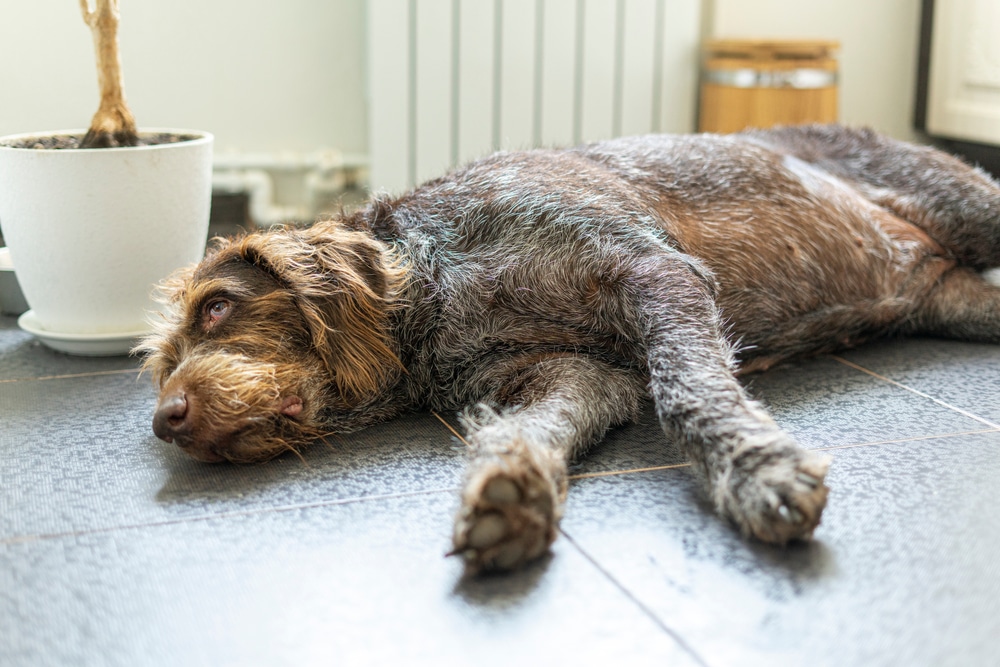
A hot Lowcountry afternoon tips into a heat emergency the moment your dog or cat can no longer cool themselves faster than the weather is heating them up. Pets shed heat mostly by panting, so humid 90-degree air that loops through their lungs offers very little relief on the way back out, and their core temperature climbs in minutes. Warning signs include heavy breathing that will not slow, gums that look bright red or muddy, thick ropey drool, wobbling, vomiting, or collapse; cats may go silent, open-mouth breathe, or hide somewhere dark. Get the pet out of the sun into shade or AC, soak the belly, armpits, groin, and paw pads with cool tap water (skip the ice), then drive straight to an emergency vet. Heat stroke keeps damaging the kidneys, liver, and clotting system for hours after the body feels cool, which is why minutes on the front end matter more than almost anything else you can do at home.
South Carolina summers are no joke, and heat stroke moves fast enough that a true emergency belongs at a 24-hour veterinary ER, where a team can cool, place IV lines, and monitor organs around the clock. Where Cane Bay Veterinary Clinic comes in is everything around that moment: a summer wellness check to flag whether your dog or cat is a heat risk before the hottest weeks arrive, honest guidance on safe activity for their breed, age, and weight, and follow-up rechecks once a scare has passed to make sure the kidneys, liver, and clotting system came through it. As a Fear Free practice, we keep the room calm and the handling gentle, because a panicked pet warms back up faster even in an exam room. Message our Summerville team before beach trips or long hikes with a heat-sensitive pet so we can map out a summer plan together.
Heat Stroke at a Glance
- Heat stroke is a true emergency where the body’s temperature climbs faster than a dog or cat can cool it, and it keeps damaging organs for hours even after the pet feels cool to the touch.
- The right first move at home is active cooling with cool tap water over the belly, armpits, groin, and paw pads plus airflow from a fan, never an ice bath and never a wet towel draped on top.
- A pet that seems to bounce back can still slide into kidney, liver, heart, or clotting failure over the next one to three days, so a follow-up check matters even when things look fine.
- Prevention is the real win: cool-hour walks, constant fresh water, shade and AC, and never a pet left in a parked car keep most heat emergencies from ever starting.
Spotting Heat Stroke: Which Signs Mean Act Now?
Act now if you see thick, ropey drool, brick red or muddy gums, stumbling, vomiting, disorientation, seizures, or collapse. The tricky part about heat stroke is that it starts looking like a normal hot day, then turns dangerous fast as the core temperature climbs.
The warning signs of heatstroke in pets climb a ladder, and each step up means less time to act. It usually opens with heavy panting, a pet seeking shade, and a little extra drool, then builds toward the emergency picture above.
Cats often hide their distress. Instead of dramatic panting, a cat in trouble may go quiet, breathe with an open mouth (always abnormal in a cat), drool, or tuck away in a dark corner. Open-mouth breathing in a cat is never something to watch and wait on.
| Stage | What you might see | What to do |
| Mild (early heat stress) | Heavy panting, seeking shade, mild drool, warm to the touch | Stop activity, move to shade or AC, offer small sips of water |
| Moderate | Thick ropey drool, bright red gums, restlessness, wobbliness | Start active cooling now and call the nearest emergency hospital |
| Severe (emergency) | Muddy or pale gums, vomiting, collapse, disorientation, seizures | Cool and drive to the nearest emergency vet immediately, call on the way |
The First Five Minutes: What Do You Do Right Away?
Move fast but stay calm, because a panicked, struggling pet generates more heat. Get them out of the sun into shade or an air-conditioned room right away, then get water onto the spots where blood runs close to the surface. The first move is cooling with cool tap water and airflow, not ice and not a wet towel laid over them.
Here is the order that works:
- Move to cool air: Get them into shade or AC and out of the heat source before anything else.
- Wet the right spots: Run cool (not icy) tap water over the belly, armpits, groin, and paw pads, where cooling is most effective.
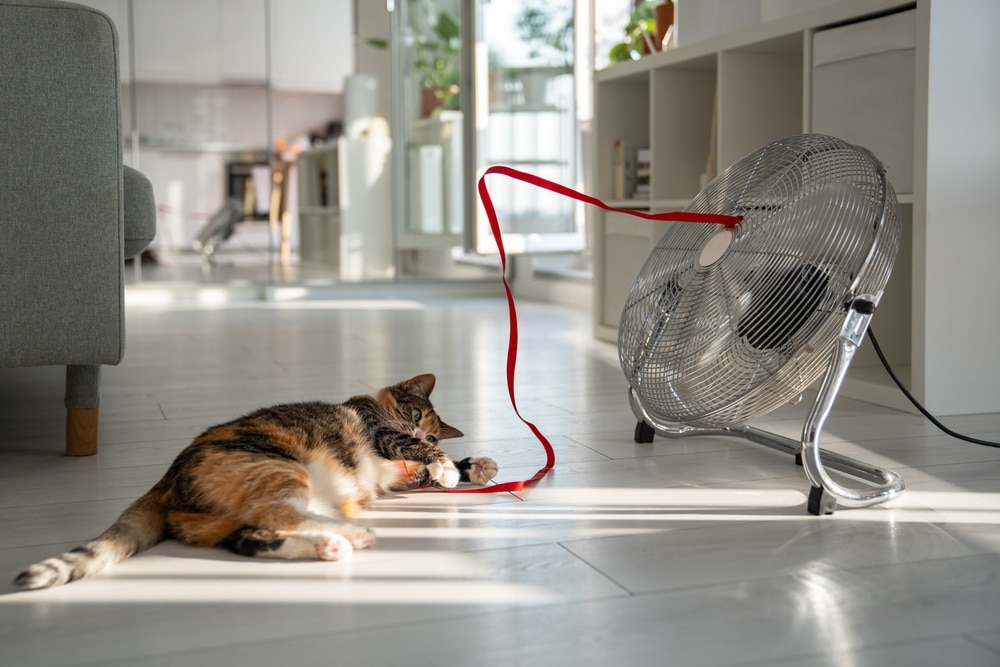
- Add airflow: Point a fan at the wet fur, or crank the car AC, so evaporation can pull heat away.
- Offer small sips: Let them drink small amounts of cool water if they want it, but never force water into a wobbly or unconscious pet.
- No ice or wet towels: Skip ice baths and skip wet towels left sitting on the body, both of which can trap heat. Ice causes surface blood vessels to constrict, which is the opposite of what you want.
- Do not overcool: Stop once your pet starts to cool off and head to the vet.
Call the nearest emergency veterinary hospital so they can be ready the second you pull in, and keep cooling your pet on the drive over.
Inside the Emergency Hospital: What Does Heat Stroke Care Involve?
Emergency heat stroke care runs on three layers that happen more or less at once: controlled cooling to bring the temperature down safely, IV fluids to restore blood volume and support the organs, and close management of the secondary damage heat leaves behind. All three begin quickly, because the first day is the most dangerous stretch, which is why an overheating pet belongs at a fully staffed emergency hospital rather than waiting for a regular appointment.
Controlled cooling is the key word. The emergency team cools to a safe target and stops, because overshooting into hypothermia causes its own problems. From there, lab work tracks kidney values, liver enzymes, blood sugar, and clotting in real time, IV fluids support circulation, and an ECG watches the heart rhythm, since heat injury commonly throws off the beat. That early, layered care is exactly what buys a pet the best shot at coming through.
Looking Recovered but Not Yet Safe: What Happens Next?
What comes next surprises people most. Even a pet that perks up after cooling can slide into delayed organ damage affecting the kidneys, liver, heart, and gut over the following 24 to 72 hours, which is why the crisis is not over when the temperature comes down. Heat cooks tissue at the cellular level, and the fallout can keep declaring itself for days.
The list of delayed problems is sobering: acute kidney injury, liver dysfunction, gastrointestinal bleeding, heart rhythm changes, dehydration, and a body-wide inflammatory reaction called systemic inflammatory response syndrome (SIRS). One of the most dangerous late complications is disseminated intravascular coagulation, a breakdown of normal clotting that can lead to uncontrolled internal blood loss hours after the pet seemed stable. Once the emergency hospital has your pet stable, we can pick up the follow-up, rechecking organ values with in-house bloodwork and imaging over the days afterward so a lingering problem gets caught while it is still fixable rather than after it has taken hold.
The Biology Behind It: Why Are Pets Wired to Overheat?
Pets are wired to overheat because they barely sweat: dogs and cats sweat only a little through their paw pads, so they rely on panting to move hot air out and cooler air in. On a humid Lowcountry day that system stalls, and the core temperature keeps climbing while each breath does less and less.
Your body has a built-in advantage your pet does not: sweat glands almost everywhere, cooling you as the moisture evaporates. Humidity is what stalls a pet’s panting, because the muggy air they pull back in is barely cooler than the air they just breathed out.
Some pets start that race already behind. Flat-faced breeds, thick double coats, very young or very old pets, and pets carrying extra weight all cool less efficiently, and a heart or airway condition tips the balance further. For short-muzzled dogs, brachycephalic thermoregulation is already a losing battle, and every extra pound makes panting even less effective at shedding heat. Puppies and kittens have not fully developed their temperature controls, and senior pets have often lost some of theirs, so the safe activity level looks different for every animal in the house.
This is where knowing your individual pet pays off. A lean young Lab and a squishy-faced senior Frenchie should not be held to the same summer schedule, and we are glad to build a plan around your specific pet, including weight and body condition counseling when a few extra pounds are stacking the deck against them in the heat.
Everyday Habits That Head Off a Heat Crisis
The habits that head off a heat crisis are small and steady: keep fresh water within reach at home and on outings, build shaded rest breaks into the day, and offer cool spots to lie down before the panting starts. The best heat stroke treatment is the one you never need, and these routines do most of that work.
A few tools make this easier: multiple water stations around the house, fans, cool tile to lay on, a collapsible travel bowl in the car, a cooling mat in the pet’s favorite spot, or a damp towel to lie on (under the pet, never draped over).
Picking the Right Hour: When Should That Walk Happen?
Timing is everything. Much of preventing heatstroke happens outdoors, walking in the early morning or after sundown, dialing back the intensity of play, and pressing your palm to the pavement for seven seconds before letting paws touch it. If it is too hot for your hand, it is too hot for their pads, which can blister on baking asphalt. Skip the midday walk on hot days, keep outings shorter, and cut play short the moment you see hard panting, lagging behind, or a pet lying down to rest. When you would like help matching your dog’s activity to their fitness and breed, book a wellness visit and we will talk it through.
A Parked Car on a Warm Day: How Fast Does It Turn Deadly?
A car turns into an oven faster than almost anyone expects. On a mild 70-degree day a parked car can climb past 100°F within minutes, and hot vehicles take pets’ lives every summer even when the windows are cracked. That gap at the top of the glass barely slows the rise, and shade offers only a brief reprieve as the sun moves. The simplest rule is the safest one: on a warm day, your pet stays home. If your pet was shut in a hot car and is panting hard, drooling, or wobbly, start cooling right away and head straight to the nearest emergency veterinary hospital.
Roaming Cats in the Heat: How Do You Watch Over Them?
Cats that roam outside need the same cooling logic scaled to their world. Outdoor cat safety comes down to several shaded water stations refreshed through the day, a ventilated shelter out of direct sun, and a supervised way back indoors during the hottest hours.
Spacing the bowls out means a cat is never far from a drink, and warm standing water gets ignored, so a regular swap matters as much as the placement. A covered porch or an enclosed catio makes a good breezy retreat, and during peak afternoon heat the safest place for any cat is inside with the AC.
Stuck Inside on the Hottest Days: How Do You Burn Off the Energy?
On the hottest days, the answer is to stay inside and swap hard exercise for calm brain work. Indoors, summer boredom busters like frozen treats, food puzzles, and gentle scent games keep a stir-crazy pet occupied without the hard running that drives body temperature back up.
You do not need to buy anything fancy. A handful of DIY enrichment toys built from a muffin tin, a cardboard box, or a frozen stuffed toy give the brain a real workout on the days it is simply too hot to head outside. A puzzle-fed breakfast or a snuffle mat can tire a dog out more than a walk would.
Heat Stroke Questions Pet Families Ask Us Most
What temperature is dangerous for dogs and cats?
Once the day climbs past the mid-80s (Fahrenheit), high humidity and direct sun push the danger up quickly, and there is no single magic number because activity, coat, breed, and the thickness of the air all shift the risk. On a muggy Lowcountry afternoon, even 80 degrees can be too much for a pet exercising in the sun.
The risk rises fastest for flat-faced, overweight, very young, or senior pets. When in doubt, treat a hot, sticky day as a stay-cool day and skip the strenuous activity.
Can I give my overheated pet ice or an ice bath?
Ice and ice baths are the one first-aid instinct to resist, because ice-cold water causes the surface blood vessels to clamp down, which actually traps heat in the core and can send the body into shock. Cool or lukewarm tap water is the goal, run over the belly, armpits, groin, and paw pads, paired with a fan for airflow. Skip draping wet towels over the body too, since sitting fabric holds heat against the skin. Controlled, steady cooling on the way to an emergency vet is safer than anything drastic.
How long does it take a pet to recover from heat stroke?
Recovery time depends heavily on how hot the pet got and how fast cooling started. A pet caught early and cooled quickly may bounce back within a day or two, while a severe case can mean days in emergency care and a longer road home, because heat injures organs at the cellular level. Some pets face lasting kidney or liver effects. The single biggest factor in the outcome is how quickly cooling began and how soon the pet reached an emergency hospital.
Your Partner Through Every Lowcountry Summer
Heat stroke is a genuine emergency, but it is also one of the most preventable ones you will face all year. Early recognition and fast cooling save lives, and a little planning keeps summer in the Lowcountry the fun season it should be for you and your pet. The pets who come through best are the ones whose families spot the early panting, adjust the walk to a cooler hour, keep water everywhere, and never gamble on a parked car.
Before the hottest weeks hit, we are glad to build a plan around your specific pet’s breed, age, and health and tell you honestly whether they are a heat risk. Schedule a summer safety check with us at Cane Bay Veterinary Clinic.





Leave A Comment