
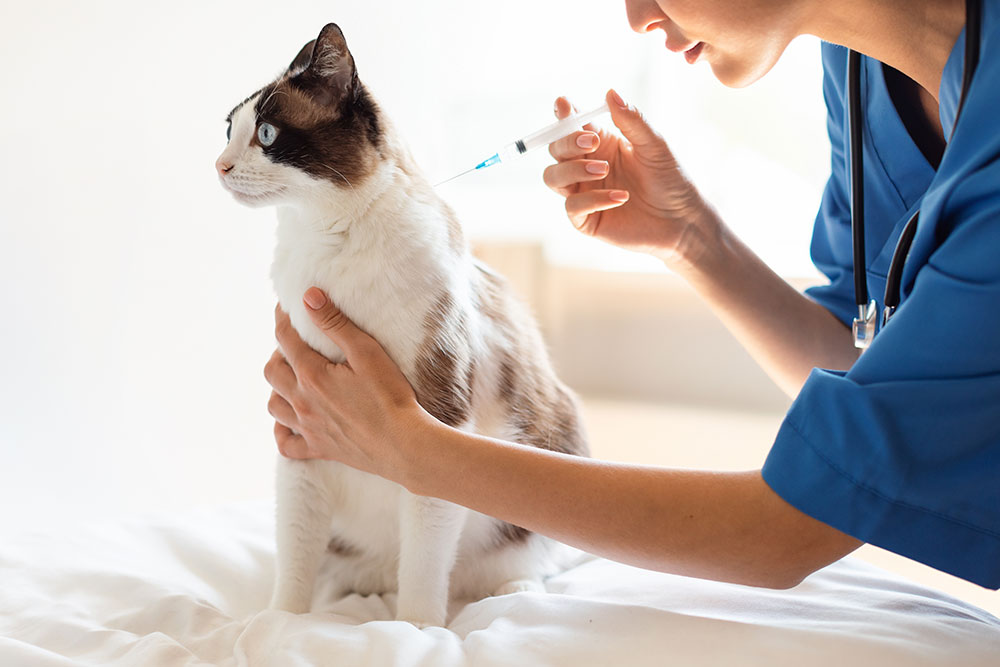
When Everyday Moments Turn Risky: Why Pet Vaccines Still Matter
Your new puppy is finally learning where to go potty. You’re thrilled to see him heading for the front yard instead of your carpet, but what you can’t see is the danger left behind by a stray dog that passed through months ago. Dirt contaminated with parvovirus or a puddle with leptospirosis from a passing squirrel can infect him in seconds.
Or maybe your cat lounges safely indoors, content to watch the world from the screen door. But lately, a neighborhood stray has taken to rubbing against that same screen. It looks harmless until you remember that feline leukemia virus can spread through close contact and grooming.
Even a friendly trip to the dog park can turn risky if you stopped vaccines after the first round. Diseases spread where dogs greet, sniff, and share water bowls.
These moments are ordinary. They happen every day. And they are exactly why vaccination remains one of the most important parts of lifelong preventive care.
At Cane Bay Veterinary Clinic in Summerville, SC, our veterinarians use a Fear Free approach to keep pets calm and protected throughout every stage of life.
The Hidden Dangers in Familiar Places
Diseases that vaccines prevent have not disappeared. They simply wait for an unprotected host. The AVMA confirms that infections like rabies, distemper, and parvovirus remain present in communities across the country.
- Canine parvovirus can linger in soil for months. Puppies who lick or sniff the ground where an infected dog once walked can become critically ill within days.
- Leptospirosis bacteria thrive in puddles, mud, and grass contaminated by wildlife urine. It attacks the liver and kidneys and can spread to people as well as pets.
- Feline leukemia virus (FeLV) spreads through grooming, shared bowls, or even rubbing faces through a window screen.
- Rabies remains universally fatal once symptoms appear, which is why vaccination is required by law for all cats and dogs.
- Canine distemper can cause lifelong neurological damage or death, even in young, healthy dogs.
Each of these diseases is preventable through safe, effective vaccination. Once symptoms begin, however, treatment can be expensive, intensive, and sometimes unsuccessful. Vaccines build invisible protection that travels with your pet through every season and every stage of life.
Building Immunity from the Start
Puppies and kittens are not born with lasting immunity. They rely on antibodies from their mother’s milk that fade quickly in the first weeks of life. Timely vaccination replaces that temporary defense with one their own body can maintain.
For puppies: The first vaccines begin at 6 to 8 weeks of age, with boosters every few weeks until 16 to 20 weeks. This series covers distemper, adenovirus, parvovirus, and leptospirosis.
For kittens: Vaccines typically start at 8 weeks for FVRCP (feline viral rhinotracheitis, calicivirus, and panleukopenia) and rabies, with FeLV protection recommended for all kittens under one year.
These early visits also allow veterinarians to monitor growth, nutrition, and behavior while creating positive experiences that help young pets feel safe at the clinic. Understanding dog life stages and cat life stages can help you anticipate how your pet’s immune needs evolve as they mature.
Adulthood: When Exposure Grows Wider
Adult pets are more active, social, and adventurous, which means their exposure risk multiplies.
A weekend camping trip might bring your dog into contact with ticks that transmit Lyme disease. Regular daycare or boarding increases the chance of kennel cough or canine influenza. Even grooming salons or training classes can harbor contagious viruses.
Cats face their own challenges. A single escape outdoors or a nose-to-nose meeting through a screen can expose them to FeLV or upper respiratory infections such as feline calicivirus.
Vaccines for adult pets are typically boosted every one to three years, depending on the specific vaccine type and your pet’s health. Regular veterinary visits keep these boosters up to date and allow for early detection of other health concerns such as weight gain, dental disease, or arthritis.
The Senior Years: Adapting with Care
Aging pets may slow down, but their risk of infection does not disappear. Their immune systems become less responsive, making them more vulnerable to bacteria and viruses.
Core vaccines such as rabies and distemper remain important, but schedules may be adjusted to minimize stress and prevent unnecessary boosters.
Your Cane Bay veterinarian will review any chronic health conditions- such as kidney disease, heart problems, or mobility challenges- to tailor a safe and effective plan. Preventive care for seniors includes more than vaccines; it often involves pain management, nutritional support, and frequent checkups to maintain comfort and quality of life.
Common Myths That Put Pets at Risk
“My pet stays inside. They don’t need vaccines.”
Even indoor pets are vulnerable. Diseases can travel on clothing, shoes, or insects, and small wildlife such as bats sometimes enter homes. Rabies vaccination is required for all pets, and indoor cats can still contract airborne or contact-spread viruses.
“Vaccines make pets sick.”
Temporary fatigue or mild soreness after vaccination is normal and shows the immune system is responding as intended. Serious vaccine reactions are extremely rare. AVMA vaccine safety data confirms that vaccination’s benefits vastly outweigh any short-term side effects.
Creating Calm, Positive Vet Visits
At Cane Bay Veterinary Clinic, our Fear Free approach helps pets associate veterinary care with comfort and safety. We use gentle handling, pheromones, and treats to make each visit positive. A relaxed patient receives vaccines more smoothly and learns to view care as a normal part of life, not something to fear.

More Than Shots: Whole-Body Preventive Care
Vaccines are only one part of overall wellness. Preventative care also includes regular exams, parasite prevention, dental health, and early screening through diagnostic services.
Summerville’s warm, humid climate supports ticks, mosquitoes, and wildlife that spread disease throughout the year.
- Leptospirosisrisk rises after heavy rain or flooding.
- Lyme diseasecontinues to spread in South Carolina’s wooded regions.
- Rabiespersists in local wildlife such as raccoons, skunks, and bats.
Your Cane Bay veterinarian will consider these environmental factors when designing your pet’s vaccination and prevention plan.
Protection That Lasts a Lifetime
Every booster and appointment is an investment in your pet’s health, comfort, and safety. Vaccines remain one of the simplest ways to prevent heartbreaking illness and costly emergency care.
If your pet’s vaccines are overdue or you’re unsure of their protection level, Cane Bay Veterinary Clinic can help. We provide preventative care, urgent care, and personalized vaccine schedules for every stage of life.
Request an appointment online or call (843) 604-1120 to schedule your pet’s next visit. Together, we’ll keep your pet protected through every age, adventure, and change ahead.








Leave A Comment