
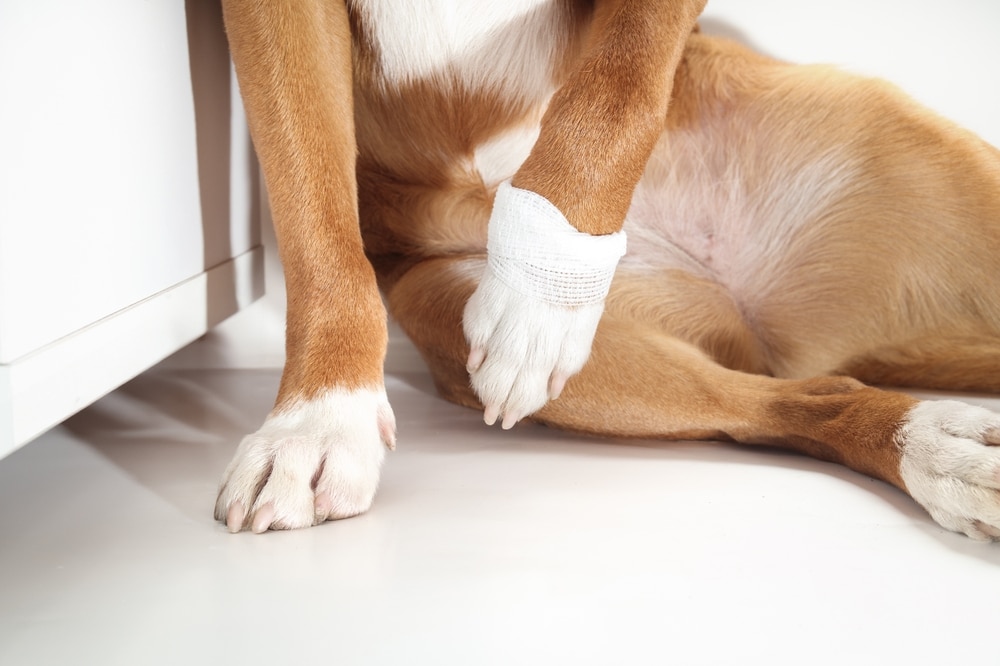
Arthritis is sneaky. It doesn’t usually announce itself with a dramatic limp or a cry of pain. It shows up as your dog taking a little longer to get up in the morning, your cat no longer jumping onto the couch, or the general sense that your pet is “just slowing down a bit.” Sometimes they’re a little grumpy, or stop interacting as much. By the time most families start wondering whether their pet is uncomfortable, arthritis has often been building quietly for months. The good news is that it’s one of the most manageable chronic conditions in veterinary medicine, and early recognition makes a real difference in quality of life.
At Cane Bay Veterinary Clinic, we care deeply about your pet’s physical pain and mental well-being. We’re proud to be a Fear Free Certified Practice, which matters a lot when you’re managing a condition that involves regular visits, ongoing monitoring, and medication adjustments. Our diagnostics help us assess joint changes and track disease progression, and we have a full toolkit for pain management, from NSAIDs to injectable options like Librela for dogs and Solensia for cats, to Adequan injections and joint supplements that support cartilage over time. Request an appointment to discuss where your pet is and what a management plan could look like for them.
Why Does Arthritis Awareness Matter for Pet Families?
Arthritis, or osteoarthritis, is one of the most common conditions affecting aging dogs and cats. By some estimates, 20 percent of all dogs and 60 percent of cats over six years old have some degree of joint disease, and the numbers climb as pets age. What makes it tricky is that pets are remarkably good at hiding pain. They don’t complain the way people do. They just adapt, gradually, until the adaptations become the new normal and we miss the underlying problem.
Arthritis isn’t only an older-pet condition either. Pets with prior orthopedic injuries, like a torn cruciate ligament, hip dysplasia, or a fracture, often develop arthritis in the affected joint years earlier. Larger breeds and pets carrying excess weight are also at higher baseline risk. Catching it early gives us the most options. Our preventative care visits include movement assessment as a routine part of every wellness exam.
What Are the Early Signs of Arthritis in Pets?
The early signs are subtle. They’re easy to write off as aging, and many people do, until the changes become impossible to ignore. Knowing the subtle signals of pain helps you spot trouble early.
In dogs, watch for:
- Stiffness when getting up, especially in the morning or after long rests
- Limping or favoring a leg, which may come and go
- Lagging behind on walks or wanting to turn back early
- Reluctance to climb stairs, jump into the car, or get on the couch
- A change in posture or how they distribute weight when standing
- Slower responses to playing or invitations to do favorite activities
- Behavioral changes like irritability or withdrawal
In cats, arthritis signs often look different:
- Stopping jumping to high places they used to reach easily
- Hesitating before jumping down, or landing differently
- Avoiding the litter box (especially if it requires climbing)
- Reduced grooming, particularly along the back and hindquarters
- Changes in temperament: more solitary, more reactive to handling
- Sleeping more or in unusual locations close to the floor
- Stiffness or visible muscle loss along the back legs
If you suspect something is off, video footage of your pet at home is genuinely useful. Phone videos of how your pet rises from a nap, navigates stairs, or moves first thing in the morning often capture changes that don’t show up during the energy of a vet visit. Contact us and bring video to your appointment.
How Is Arthritis Diagnosed?
A thorough diagnosis begins with a physical exam. We watch how your pet walks, palpate the joints for swelling or thickening, and gently move each joint through its range of motion to identify pain, crepitus (grinding), or restricted movement. Combined with a history of the changes you’ve noticed at home, that exam gives us most of what we need for a working diagnosis.
Imaging confirms and characterizes the disease. Our digital radiography produces high-quality images that show bone changes, joint space narrowing, and the bony spurs (osteophytes) that develop in arthritic joints. Most pets start feeling the pain of arthritis before the changes appear on x-ray, so a clear x-ray doesn’t necessarily mean they aren’t in pain.
Bloodwork rounds out the picture. Many of the medications we use for arthritis are processed by the liver and kidneys, so we check organ function before starting therapy and recheck periodically.
What Conditions Can Mimic or Complicate Arthritis?
Arthritis is common, but it’s not the only thing that can cause stiffness, weakness, or reluctance to move. Several conditions either look like arthritis or significantly affect how we treat it. Comprehensive lab screening is part of any thorough arthritis workup.
Hypothyroidism
Hypothyroidism in dogs slows metabolism and produces lethargy, weight gain, and muscle weakness that can be mistaken for joint pain or layered on top of true arthritis. A simple thyroid panel sorts it out, and treatment with daily supplementation often dramatically improves your pet’s energy and mobility, sometimes more than expected.
Cognitive Dysfunction Syndrome
Senior pets with cognitive dysfunction syndrome (the dog and cat equivalent of dementia) may pace, get confused on stairs, or stop engaging with the world in ways that look a lot like arthritis-driven slowing down. The two often co-exist in older pets, and identifying both means we can address each appropriately.
Liver Disease
Liver disease causes fatigue and weakness that can be confused with arthritis. More importantly, the liver metabolizes most NSAIDs, the medication class we lean on most heavily for arthritis pain. Pets with compromised liver function need different pain management strategies, which is why baseline liver values matter before starting any long-term medication.
Heart Disease
Heart disease reduces exercise tolerance and produces fatigue and reluctance to exert that overlaps significantly with arthritis. Your pet, if “slowing down,” may be having cardiac difficulty rather than joint pain. We listen carefully to the heart at every visit and pursue further cardiac workup when something doesn’t add up.
Chronic Kidney Disease
Chronic kidney disease is especially relevant in cats, who often have both kidney disease and arthritis simultaneously. NSAIDs are generally avoided in pets with kidney dysfunction because they can accelerate damage. Identifying kidney disease changes the medication plan entirely and shifts us toward different pain management approaches.
Lyme Disease
Lyme disease is a tick-borne infection that can cause sudden-onset lameness and joint swelling that mimics an arthritis flare. The treatment is antibiotics, not anti-inflammatories, so getting the diagnosis right matters. Our annual wellness panels include tick-borne disease screening.
Arthritis Treatment Options
Effective arthritis management is multimodal. No single treatment works as well alone as several treatments work together. Our approach combines medications, joint-supportive nutrition, physical therapies, and home modifications, with the specific mix tailored to each pet.
Foundation Medications
NSAIDs (non-steroidal anti-inflammatories) remain the foundation of arthritis pain control for pets who can tolerate them. Carprofen (brand name Rimadyl) and Galliprant are two we use most often in dogs. These medications reduce both pain and inflammation, and most pets show meaningful improvement within days of starting therapy. Periodic bloodwork confirms that the liver and kidneys are handling the medication well over time.
Joint supplements like glucosamine, chondroitin, and methylsulfonylmethane (MSM) support cartilage health and can be used safely alongside other treatments. They tend to work slowly, with full effect taking weeks to months, but they meaningfully reduce overall medication needs in many pets and can be given before arthritis begins to help slow the onset. Our online pharmacy carries hip and joint supplements for dogs and joint supplements for cats.
Adequan, an injectable polysulfated glycosaminoglycan, supports joint health from a different angle by helping the body repair cartilage. It’s typically given as a series of injections initially, then maintained with periodic dosing. We’ll chat through the best options for your pet.
Omega fatty acids, commonly known as fish oil, is a great anti-inflammatory for arthritic pets. Studies have shown pets using fish oil have better mobility and lower pain scores, but the quality of omega fatty acid matters. We have vet-trusted options for omegas for dogs and omegas for cats in a variety of chews, capsules, or liquids to make dosing easy.
Biologic Therapies: Librela and Solensia
Librela for dogs and Solensia for cats are monthly injectable monoclonal antibody therapies that target nerve growth factor, a protein involved in chronic pain transmission. They’ve genuinely changed the conversation around arthritis management. Many pets who couldn’t tolerate NSAIDs, or whose pain wasn’t fully controlled, do remarkably well on these medications.
The injections are administered in our clinic once a month and effects often kick in within a week or two. We’ve seen dogs find a new pep in their step, and cats who had stopped jumping resume their old routines. They’re not magic for every pet, but for many, they make a meaningful difference.
Complementary Therapies
Laser therapy (Class IV therapy laser) reduces inflammation in joints, decreases pain, and improves circulation in affected tissue. We use it routinely for arthritic pets, often as a recurring series of treatments that taper based on response.
Rehabilitation for arthritis through formal physical therapy programs (hydrotherapy, therapeutic exercises, manual therapy) can dramatically improve strength, range of motion, and function. We’re glad to refer for formal rehab when it’s a fit, and we coordinate care closely with rehab teams.
Weight Management and Home Modifications
These two areas often produce the biggest wins, and they cost little to nothing.
Why Is Weight Control So Critical for Arthritic Pets?
Weight management may be the single most impactful thing you can do for an arthritic pet. Every pound of excess weight translates to multiple pounds of additional load on damaged joints with every step. When pets are in pain, they move less. When they move less, they gain weight. When they gain weight, their joints hurt more- resulting in more reluctance to move, becoming a vicious cycle of pain and weight gain.
What surprises people is the inflammatory effect of excess fat tissue. Fat isn’t passive storage. It actively produces inflammatory signals that worsen joint disease. Slimming down improves arthritis even more than the mechanical math alone would suggest.
We help with this directly: setting realistic targets, creating a feeding plan that produces gradual loss, getting the right pain control started, and rechecking regularly. It usually takes longer than people expect, but the result is dramatic in pets who get there.
How Do You Create an Arthritis-Friendly Home?
Small environmental changes make a huge difference for arthritic pets. An arthritis-friendly home for dogs typically includes:
- Non-slip rugs or runners on hardwood, tile, and other slippery floors. Slipping is both painful and frightening for arthritic pets and accelerates muscle loss as they avoid moving.
- Ramps instead of stairs where possible, including ramps to the car, the bed, or favorite furniture.
- Orthopedic bedding that supports joints rather than collapsing under weight. Memory foam or specifically orthopedic pet beds are worth the investment.
- Elevated food and water bowls to reduce strain on the neck and back.
- Assistive devices for severely affected pets. Lifting harnesses, nail grips, and booties can make a difference for pets who struggle with gaining traction or making it up stairs.
For cats, home modifications emphasize:
- Low-entry litter boxes so cats don’t have to step over high sides
- Ramps or steps to favorite high spots like beds, cat trees, or window perches
- Multiple resting spots at floor level so cats don’t have to choose between elevation and comfort
- Help with grooming for areas they can no longer reach, particularly the lower back and hindquarters
Supporting Your Pet Through Every Stage
Arthritis is a long-term partnership. Some pets respond beautifully and stay comfortable for years on a stable plan. Others need regular adjustments as the disease progresses. Either way, what matters most is consistent monitoring, honest conversations about what’s working and what isn’t, and a team that knows your pet over time. Our team takes that long view seriously.
For pets who reach a point where pain management isn’t enough, we also provide hospice and euthanasia care. Quality of life conversations are part of arthritis care, not separate from it. Knowing that we’ll walk through that part of the journey with you, when the time comes, is part of why families choose us.
If a flare-up appears suddenly, especially with significant lameness or swelling, our urgent care services are available the same day with a call ahead. Our Fear Free certified practice makes those visits easier on already uncomfortable pets, with calming pheromones, species-specific handling, and pre-visit medications when needed.
Frequently Asked Questions About Pet Arthritis
Is arthritis preventable in pets?
Not entirely, but the timeline can be pushed back significantly. Maintaining a healthy weight throughout life, providing regular moderate exercise, and addressing orthopedic injuries promptly all reduce the rate at which arthritis develops. For predisposed breeds, joint supplements started in middle age may delay onset.
Can my pet take human pain medications like ibuprofen?
No. Human NSAIDs like ibuprofen, naproxen, and acetaminophen are toxic to dogs and cats, sometimes at very low doses. Acetaminophen is particularly dangerous to cats. Always use only veterinary-prescribed pain medications.

How quickly should I see results from arthritis treatment?
NSAIDs typically produce visible improvement within a few days. Joint supplements take 4 to 6 weeks for full effect. Librela and Solensia often work within a week. Multimodal plans usually show meaningful improvement within 2 to 4 weeks.
Is exercise good or bad for an arthritic pet?
Moderate, consistent, low-impact exercise is genuinely helpful. It maintains muscle mass and supports joint health. Sudden high-impact activity (long runs, jumping, off-leash sprinting) can flare things. Steady walks and swimming are great options.
Taking the First Step Toward Relief
Arthritis is a lifelong condition, but it does not have to be a sentence of slow decline. With early recognition, multimodal management, and a team that adjusts the plan as your pet’s needs change, most arthritic pets continue to live full, active, comfortable lives for years after diagnosis.
If you’ve noticed your dog or cat slowing down, hesitating before jumping, or showing any of the early signs we’ve covered, it’s worth a conversation. Contact us or request an appointment to start building a plan focused on comfort and quality of life. We’re here to walk through it with you.








Leave A Comment