
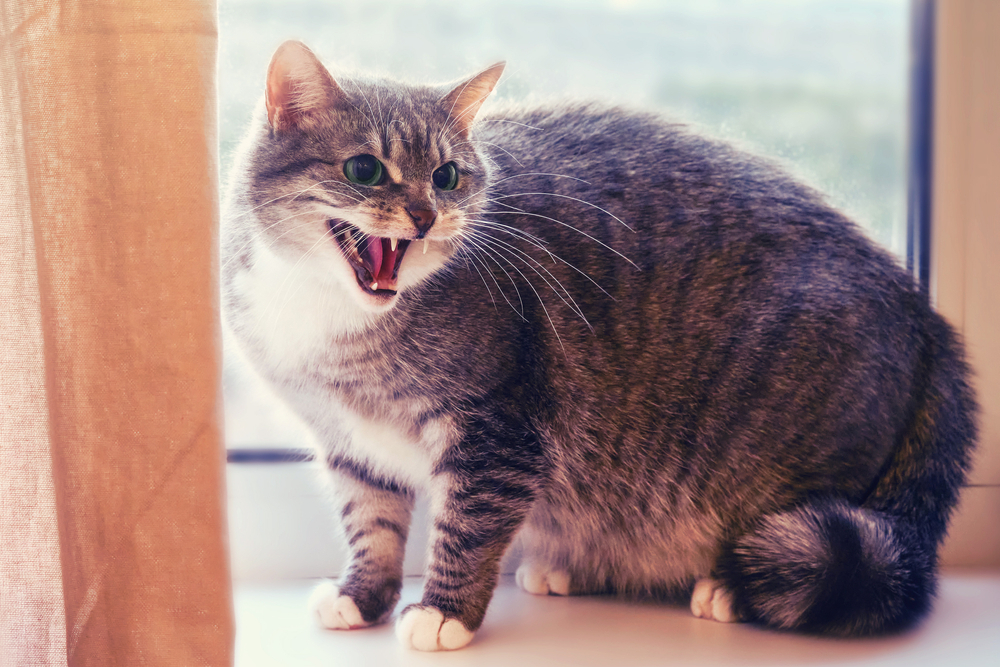
When Meowing Means More: Understanding Vocal Cats
You know your cat’s sounds better than anyone. That quiet purr when they’re content, the demanding chirps around mealtime, the quick meow when you walk into the room. But what happens when the meowing changes, becoming louder, more frequent, or just… different? Suddenly, those familiar vocalizations feel like something you can’t ignore. If you’ve found yourself wondering, “Why is my cat talking so much all of a sudden?” you’re not alone. While cats definitely communicate through sound, an increase in meowing can often be a signal of something deeper. Changes in environment, discomfort from pain, or even age-related cognitive changes can all play a role in this shift. Recognizing the triggers is the first step toward restoring calmness and comfort for your pet and bringing peace back to your home.
At Cane Bay Veterinary Clinic, our veterinarians and Fear Free Certified team take excessive meowing seriously because it’s often a cat’s way of asking for help. Through gentle exams, thorough diagnostics, and compassionate care, we identify what your cat is trying to say- and create a plan to restore their comfort and quiet confidence.
Why Cats Meow Excessively- and Why It Matters
Some cats are simply talkative by nature, but when vocalizations become persistent, intense, or out of character, it’s time to take notice. Sudden changes can signal stress, discomfort, or underlying medical issues- especially when paired with altered appetite, energy, or sleep.
Excessive meowing can fall under common cat behavior issues, but it often overlaps with medical concerns that only a professional exam can uncover. If your cat’s meowing has changed, our veterinarians can perform a full assessment to check for health or environmental triggers and help restore peace in your home.
Understanding Normal Cat Vocalization Patterns
Every cat has their own communication style. Some “talk” constantly, while others remain quiet for most of the day. Understanding your cat’s baseline helps you recognize when meowing shifts from normal to concerning.
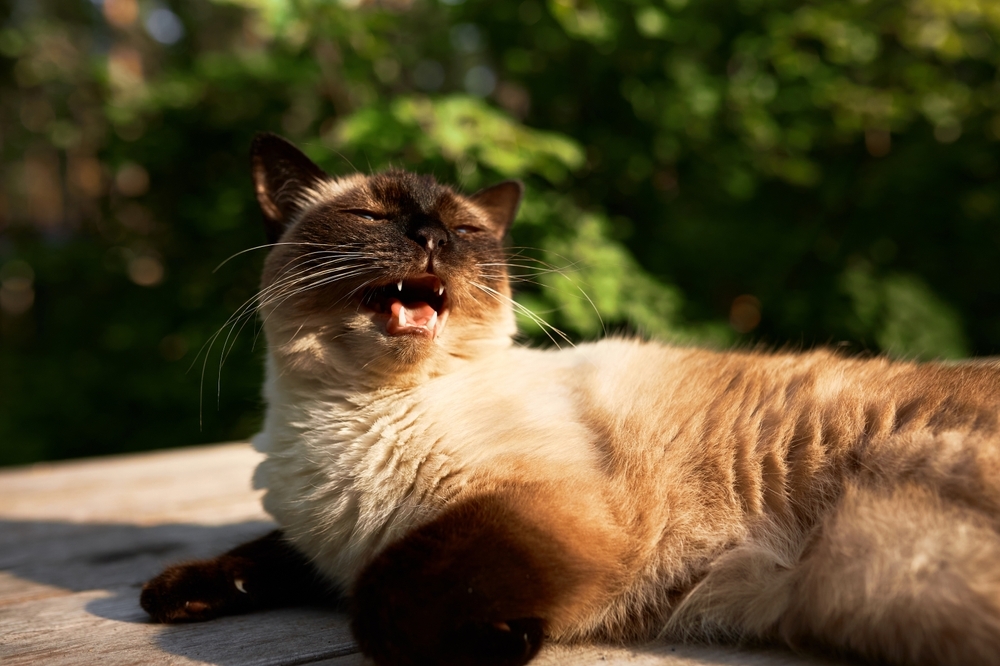
Vocalization often communicates everyday needs- attention, food, or greetings- and can even vary by breed. Siamese cats, for example, are famously expressive. Knowing what’s normal for your cat makes it easier to identify a change that signals distress or illness.
Routine preventive care visits are a great opportunity to discuss cat behavior and identify early signs of stress before they escalate.
When Meowing Becomes Excessive
Excessive meowing can sound urgent, distressed, or happen at unusual times, such as late at night. Cats that cry out persistently despite attention, food, or comfort may be experiencing pain or confusion. Keep a simple journal noting when your cat meows, for how long, and under what conditions- these details help your veterinarian identify potential patterns.
If your cat’s meowing seems unusual or disruptive, don’t wait to have it checked. You can request an appointment for a gentle, Fear Free evaluation to uncover what’s behind the noise.
Medical Causes of Excessive Meowing
Many underlying medical conditions can lead to increased vocalization. Because cats instinctively hide discomfort, sound changes are often one of the earliest signs that something is wrong. A comprehensive physical exam and in-house diagnostic testing can help determine whether the cause is medical, behavioral, or both.
Pain and Discomfort as Drivers of Vocalization
Painful conditions frequently cause vocal changes. Dental problems, arthritis, or urinary issues can make cats cry during movement or while using the litter box. Signs such as restlessness, hissing when touched, or posture changes should prompt immediate veterinary evaluation.
Older cats are especially prone to arthritis, while younger males may experience urethral obstruction, a medical emergency that causes straining and crying in the litter box. Subtle pet pain signs can include hiding, decreased grooming, or loss of appetite- symptoms our team is trained to detect during exams.
Hyperthyroidism and Restless Vocalization
In senior cats, hyperthyroidism is a common cause of sudden restlessness, excessive appetite, and frequent meowing. This hormonal condition accelerates metabolism, leaving cats anxious and vocal. Blood tests confirm the diagnosis, and early treatment with medication or diet can greatly improve comfort and reduce symptoms.
Hypertension and Nighttime Calling
Feline hypertension can cause confusion, pacing, and nighttime yowling, particularly in older cats or those with kidney disease. Regular blood pressure monitoring is vital for early detection and treatment. Our clinic’s in-house diagnostics allow us to assess blood pressure quickly and provide customized management plans.
Sensory Loss and Increased Meowing
Cats with vision problems or deaf cats often meow more because they’re disoriented or seeking reassurance. Creating predictable routines, using soft night lighting, and adding tactile cues around the home can help them feel secure. If you notice bumping into objects or lack of response to sounds, schedule a sensory evaluation with our veterinary team.
Cognitive Decline in Senior Cats
Aging can bring cognitive decline, which causes confusion, altered sleep cycles, and nighttime crying. Cats may seem lost, forget litter box locations, or meow aimlessly. During senior wellness visits, our veterinarians evaluate for early signs of cognitive dysfunction and recommend diet, supplements, and environmental support to maintain comfort and calmness.
Neurologic Causes, Including Brain Tumors
Although rare, brain tumors can alter a cat’s personality, trigger seizures, or cause new patterns of meowing. If your cat suddenly acts disoriented, has balance problems, or exhibits uncontrolled vocalization, advanced imaging or specialist referral may be needed. Our diagnostic partnerships allow for fast, accurate evaluations in complex cases.
Behavioral and Environmental Causes of Meowing
If medical issues are ruled out, behavior and environment often hold the answers. Cats thrive on consistency, enrichment, and control of their surroundings- when any of these are disrupted, meowing can escalate. Our Fear Free approach focuses on understanding your cat’s emotional needs and reducing stress to improve overall wellbeing.
Stress, Anxiety, and Household Changes
New pets, loud noises, schedule shifts, or tension between cats can all trigger stress-related meowing. Addressing tension among cats through structured introductions and safe spaces helps restore peace. Maintaining steady routines and adding hiding spots or vertical space can calm anxious cats. Our team can guide you through stress-reduction plans and pheromone use tailored to your household.
Enrichment and Boredom-Related Meowing
Indoor cats need stimulation to stay mentally balanced. Without proper enrichment, they may cry for attention or engage in destructive behavior. Adding enrichment toys, supporting natural hunting behavior, and improving indoor environments all help reduce boredom-driven meowing. Simple adjustments like food puzzles, interactive playtime, and perches can make a big difference.
Outdoor Access Requests and Safe Alternatives
Cats that have experienced the outdoors may cry persistently to go outside. While the desire is natural, it can expose them to predators, traffic, and disease. Safer alternatives, such as supervised leash walks or catios, let cats explore safely. Talk with our veterinarians about integrating these options into your cat’s daily routine for balanced stimulation and safety.
Finding Solutions and Next Steps
Helping a vocal cat starts with identifying the cause. Begin with a veterinary evaluation to rule out medical conditions, then explore behavior and environmental strategies. The combination of compassionate care, accurate diagnostics, and enrichment can dramatically improve your cat’s comfort and your household’s tranquility.
The Veterinary Exam and Diagnostic Plan
Our veterinarians perform full physical exams and targeted testing to determine what’s driving your cat’s vocalization. In-house lab work, imaging, and specialized screenings help uncover causes quickly, allowing for effective treatment plans. If your cat’s meowing has become disruptive or worrisome, contact us for a thorough evaluation.
Behavior Modification and Positive Reinforcement
Once medical issues are addressed, focus shifts to behavior. You can train a cat to meow less by reinforcing quiet behavior and redirecting attention through play. Identifying triggers, rewarding calm responses, and reducing stress all contribute to lasting improvement. If challenges persist, our team can help identify underlying cat behavior problems and create a personalized plan.
Bringing the Calm Back Home
Excessive meowing is not just a nuisance- it’s your cat’s way of communicating that something has changed. With the right veterinary guidance and emotional support, most cats can return to their peaceful, familiar rhythm.
If your cat’s voice seems different, don’t ignore it. Schedule an appointment or reach out to our caring team at Cane Bay Veterinary Clinic. We’ll listen, investigate, and provide the gentle, science-based care your cat deserves- because every meow has meaning, and we’re here to help you understand it.







Leave A Comment