

As pets age, dental disease becomes more common and more dangerous. Infections in the mouth can spread to the heart and kidneys. Regular cleanings and dental exams protect not just teeth but overall health in senior dogs and cats.
At Cane Bay Veterinary Clinic in Summerville, our Fear Free Certified team understands that aging pets deserve comfort, not stress. When your senior dog takes longer to finish meals or your older cat starts grooming less, these subtle changes often signal dental pain that shouldn’t be ignored.
Why Dental Health Becomes Critical in Older Pets
Oral disease ranks as the most common chronic condition affecting senior dogs and cats. By age three, most pets show some degree of periodontal disease, and the problem only intensifies with time.
The danger extends far beyond bad breath. Bacteria from infected gums enter the bloodstream, triggering inflammation throughout the body. This systemic infection strains the heart, kidneys, and liver, organs already working harder in aging pets.
Chronic oral inflammation forces the immune system into constant overdrive. The heart valves become vulnerable to bacterial colonization, leading to endocarditis. Kidney tissue suffers damage from circulating toxins and inflammatory compounds. Hepatic function declines as the liver processes the constant bacterial load.
Early intervention through preventative care stops this cascade before it begins. Regular cleanings prevent organ strain, reduce chronic pain, and protect overall vitality. When dental disease is caught early, anesthesia times stay shorter, fewer teeth require extraction, and recovery becomes easier for senior bodies.
Common Oral Health Problems in Aging Dogs and Cats
Periodontal Disease and Bone Loss
Periodontal disease begins when plaque hardens into tartar along the gumline. Bacteria thrive in this environment, releasing toxins that destroy the soft tissue and bone supporting each tooth.
As disease progresses, gums recede and expose sensitive tooth roots. Bone loss creates pockets where infection deepens. Eventually, teeth become loose and painful. Without professional intervention, the infection spreads to the jaw and surrounding tissues.
Professional cleanings combined with consistent home care can halt progression and preserve remaining teeth. The key is addressing disease before irreversible damage occurs.
Fractured Teeth and Oral Masses
Years of chewing take their toll on tooth enamel. Fractured teeth expose the pulp chamber, creating direct pathways for bacteria to invade the tooth root and surrounding bone. These injuries cause significant pain and require prompt treatment to prevent abscess formation.
Senior pets also face increased risk of oral tumors, which can be aggressive in older pets and require early evaluation for the best treatment outcomes. Regular oral examinations catch these abnormalities when they’re most manageable.
Our dental services include thorough oral examinations and advanced imaging to identify hidden problems before they become emergencies.
How Oral Disease Affects Behavior and Overall Health
Dental pain changes how pets interact with their world. Dogs may refuse hard kibble or drop food while eating. Cats often stop grooming, leading to matted fur and skin problems. Some pets become irritable or withdrawn, avoiding interaction they once enjoyed.
These behavioral changes reflect genuine discomfort. Chronic oral infection releases bacteria and inflammatory compounds into circulation, contributing to systemic disease. The heart, kidneys, and liver all suffer when dental disease goes untreated.
Pain also affects appetite and nutrition. Pets who hurt when they eat may lose weight or develop nutritional deficiencies. Senior pets already face metabolic changes, and inadequate nutrition accelerates decline.
Early treatment prevents systemic illness and restores confidence. When oral pain resolves, pets rediscover their appetite, resume normal grooming, and engage more fully with their families. Our diagnostics help identify the full extent of dental disease and its impact on overall health.
Effective Home Dental Care for Senior Pets
Daily Brushing Techniques
Daily brushing remains the gold standard for preventing plaque buildup. Use a soft-bristled pet toothbrush and enzymatic toothpaste formulated for dogs or cats. Never use human toothpaste, which contains ingredients toxic to pets.
Start gradually, letting your pet taste the toothpaste and become comfortable with mouth handling. Focus on the outer surfaces of teeth where plaque accumulates most. Even 30 seconds of brushing makes a difference when done consistently.
Positive reinforcement helps senior pets accept this routine. Offer treats and praise after each session to create pleasant associations.
Choosing Safe Chew Options
Hard chews pose serious risks for senior teeth. Many popular dog chews can cause fractures, especially in older pets with weakened enamel. These products also create risks of intestinal blockages and choking hazards.
Apply the thumbnail test before offering any chew. If the material doesn’t dent under your thumbnail pressure, it’s too hard for your pet’s teeth. Avoid bones, antlers, and hard nylon toys that can crack even healthy teeth.
Choose softer, age-appropriate alternatives sized correctly for your pet. Always supervise chewing sessions and remove items that become small enough to swallow.
VOHC-Approved Dental Products
The Veterinary Oral Health Council evaluates dental products for effectiveness. Look for the VOHC seal when selecting dental diets, chews, and water additives. VOHC-approved products for cats and dogs provide reliable options that actually reduce plaque and tartar.
These approved products complement brushing but don’t replace professional cleanings. They work best as part of a comprehensive oral health strategy.
Professional Veterinary Dental Services
Comprehensive Examinations Under Anesthesia
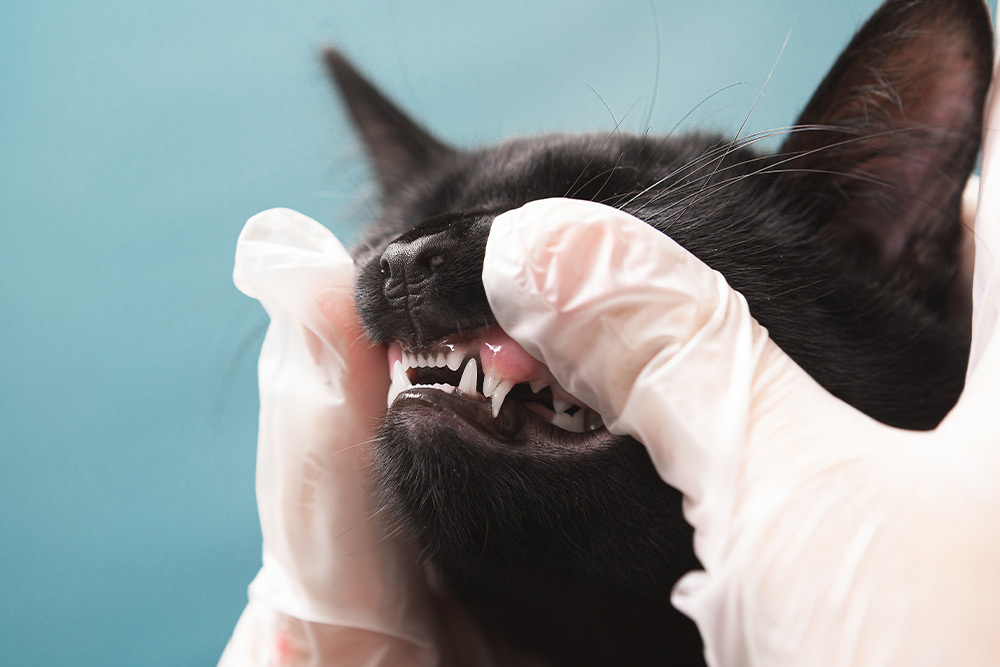
Complete oral evaluation requires anesthesia. Awake exams miss disease hiding below the gumline and on tooth surfaces facing the tongue. Our team uses individualized anesthetic protocols designed for senior pets.
Modern monitoring equipment tracks heart rate, blood pressure, oxygen levels, and body temperature throughout the procedure. This vigilant oversight keeps senior patients safe while allowing thorough examination and treatment.
The Critical Role of Dental Radiography
Visual examination reveals only part of the story. Dental X-rays for pets detect resorptive lesions, root abscesses, bone loss, and retained root fragments invisible to the naked eye.
In cats, tooth resorption occurs below the gumline where it causes significant pain despite normal-looking crowns. In dogs and cats both, radiographs identify periodontal disease severity and guide treatment decisions. This imaging ensures no painful condition goes undiagnosed.
Professional Cleaning and Treatment
Ultrasonic scaling removes tartar above and below the gumline. Subgingival cleaning addresses bacteria hiding in periodontal pockets. Polishing smoothes enamel surfaces, making future plaque accumulation more difficult.
When teeth cannot be saved, extraction during the same anesthetic session prevents the need for additional procedures. Many pets feel immediate relief once painful teeth are removed.
Pain Management and Recovery
Multimodal pain management keeps senior pets comfortable during recovery. Nerve blocks, anti-inflammatory medications, and appropriate antibiotics address discomfort and prevent infection.
Soft diets and activity restrictions during healing protect surgical sites. Most pets resume normal eating within days, and their improved comfort is immediately noticeable.
Warning Signs That Require Immediate Attention
Watch for these symptoms of dental disease:
- Persistent bad breath that worsens over time
- Dropping food, chewing on one side, or eating more slowly than usual
- Red, swollen, or bleeding gums
- Excessive drooling or pawing at the mouth
- Visible tartar buildup or discolored teeth
Schedule an examination at the first sign of oral discomfort. Early intervention prevents more extensive disease and protects overall health. Our team provides urgent care during business hours when dental emergencies arise.
Creating a Lifelong Dental Health Strategy
Senior pets benefit from individualized dental care plans that consider their medical history, temperament, and specific needs:
- Schedule biannual cleanings and examinations to catch problems early
- Maintain daily brushing or use VOHC-approved products consistently
- Provide safe, age-appropriate chew options that won’t damage teeth
- Seek prompt veterinary assessment for any signs of pain or oral odor
Our Fear Free approach reduces stress during dental visits. Every member of our team holds Fear Free certification, ensuring your senior pet receives care in a calm, supportive environment. We use gentle handling techniques, calming pheromones, and pre-visit medications when needed to make dental procedures as comfortable as possible.
Protecting Your Senior Pet’s Smile and Health
Dental care is not optional for aging pets. It’s essential preventative medicine that protects vital organs, relieves pain, and extends quality years.
Modern anesthesia protocols and careful monitoring make dental procedures safe for senior dogs and cats. The benefits of maintaining oral health far outweigh the risks of leaving disease untreated. Meet our team of Fear Free Certified Professionals dedicated to making every dental visit stress-free.
Request an appointment today to discuss your senior pet’s dental health. You can also contact us with any questions about our dental services.






Leave A Comment