
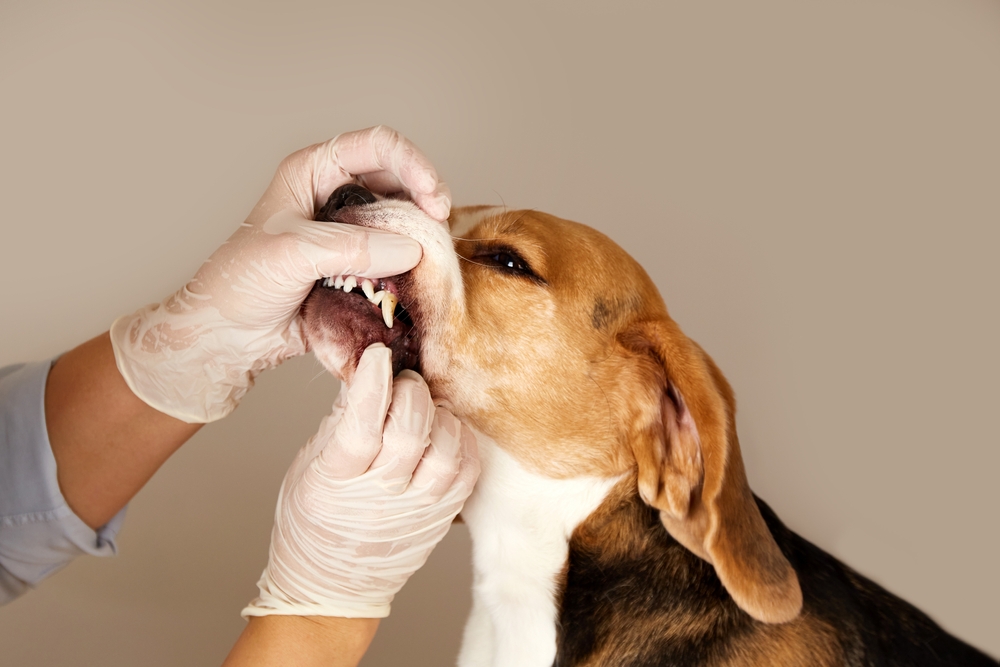
Can Bad Teeth Really Hurt Your Pet’s Heart?
If your dog or cat has ever greeted you with breath that could clear a room, you are not alone. Bad breath is one of those things pet owners tend to laugh off, but it is almost always a sign of dental disease, and dental disease can affect a lot more than just the mouth. You may have heard that there is a connection between gum problems and heart health in pets, and if you have been wondering how seriously to take that claim, you are asking the right question.
Here is the short version: dental disease does not automatically cause heart disease, but the association between the two is real, well-studied, and strong enough that it should factor into how you think about your pet’s dental care. The good news is that dental disease is one of the few risk factors you can actually do something about.
As Summerville’s only Fear Free Certified Practice, Cane Bay Veterinary Clinic takes a whole-pet approach to wellness. Dental health is a big piece of that puzzle, and our team makes the process as gentle and low-stress as possible. If your pet’s breath has you concerned, or it has been a while since their last dental evaluation, request an appointment and we will take it from there.
What Actually Happens When Dental Disease Takes Hold?
Periodontal disease is an infection of the tissues that hold the teeth in place, and it is the most common disease in adult dogs and cats. It starts with plaque, that soft bacterial film that coats the teeth every day. If plaque is not removed, it hardens into tartar within days. As bacteria accumulate along and below the gumline, the body responds with inflammation that gradually destroys gum tissue and bone.
The tricky part is that what you can see on the surface is only a fraction of what is going on. Significant disease often hides below the gumline, silently eating away at the structures that support the teeth. Left untreated, periodontal disease progresses from mild gingivitis to severe bone loss, loose teeth, abscesses, and chronic pain.
And here is where it gets bigger than just the mouth.
How Does Dental Disease Connect to Heart Problems?
What the Research Shows
The connection between periodontal disease and cardiovascular problems in pets is not just theoretical. Multiple studies have looked at this relationship, and the findings consistently point in the same direction.
One of the most significant studies evaluated the risk of endocarditis and other cardiovascular events based on the severity of periodontal disease in dogs. The results were clear: significant associations were detected between the severity of periodontal disease and the subsequent risk of cardiovascular conditions, including endocarditis (infection of the heart valves) and cardiomyopathy (disease of the heart muscle).
Other research summaries exploring the link between gum disease and heart problems show a similar pattern. Dogs with advanced periodontal disease are more likely to develop valve inflammation and heart failure than dogs with healthier mouths. Human research has shown that people with gum disease are 28% more likely to have heart attacks. The risk to heart health is real, and should be taken seriously.
How Do Mouth Bacteria Reach the Heart?
The mechanism is straightforward. In a mouth with active periodontal disease, the gum tissue is inflamed, swollen, and often bleeding at a microscopic level. That damaged tissue creates an entry point for bacteria to slip into the bloodstream. This happens during chewing, during dental procedures, and even spontaneously in pets with severe gum infections.
Once in the bloodstream, those bacteria can travel to the heart valves, where they may attach and trigger inflammation. This is how endocarditis develops, and it is a serious, sometimes life-threatening condition.
Beyond direct bacterial infection, chronic periodontal disease also creates ongoing, low-grade systemic inflammation. That kind of persistent inflammatory state can strain the heart and other organs over time, especially in pets who already have underlying health conditions or weakened immune systems. The body-wide inflammation and high levels of circulating bacteria have been linked to liver and kidney problems and increased risk of stroke.
Which Pets Are Most at Risk?
Some pets face higher cardiovascular risk from dental disease than others:
- Small breed dogs are especially vulnerable. Breeds like Cavalier King Charles Spaniels, Dachshunds, and Chihuahuas are prone to both severe periodontal disease and mitral valve disease, which makes the combination particularly concerning.
- Older pets with years of untreated tartar buildup face greater cumulative risk.
- Pets with existing heart conditions may be more vulnerable to bacterial seeding from the mouth.
- Cats are not exempt. Feline dental disease is extremely common and can contribute to systemic inflammation that affects overall health.
If your pet has a heart condition or falls into a higher-risk category, our clinicians can combine careful diagnostics with a thoughtful dental plan so both the mouth and the heart are being managed together.
What Are the Warning Signs of Heart Disease in Pets?
Whether or not dental disease plays a role, knowing the early signs of heart problems helps you act before things progress. Call your veterinarian promptly if you notice:
- A persistent cough, especially at night or after lying down
- Slowing down on walks, reduced stamina, or reluctance to play
- Rapid, labored, or noisy breathing
- Fainting or collapse episodes
- Restlessness or difficulty settling into a comfortable position
These signs of heart disease can start subtly. Many small dogs develop valve disease gradually, and the earliest changes are easy to miss if you are not looking for them. If breathing becomes fast or effortful, or if your pet collapses, seek same-day care.
Our urgent care team can triage quickly, assess heart and lung function, and outline next steps.
Why Do Professional Dental Cleanings Matter So Much?
What Happens Below the Surface
A professional dental cleaning is not just about making teeth look white. It is about addressing disease you cannot see. Comprehensive dental care requires general anesthesia so the veterinary team can clean below the gumline where bacteria cause the most damage, take full-mouth radiographs to reveal bone loss, root problems, and hidden abscesses, and evaluate every tooth for pockets, mobility, and pain.
There is a reason veterinarians insist on dental X-rays: they change treatment decisions. Problems hiding under the surface are the ones that drive systemic risk, and you cannot find them without imaging.
Awake or “no-anesthesia” cleanings only address what is visible on the tooth surface. They miss the disease that matters most, and they cannot provide the pain control or diagnostic imaging that a proper dental procedure includes.
Is Anesthesia Safe for My Pet?
This is one of the most common concerns we hear, and it is completely valid. Modern veterinary anesthesia is very safe when tailored to the individual patient and monitored carefully. At Cane Bay Veterinary Clinic, every dental patient receives a customized anesthesia protocol based on their age, breed, and health status. We monitor heart rate, oxygen levels, blood pressure, and temperature continuously throughout the procedure. Pain management begins before the procedure, not after, and recovery is closely supervised.
For pets with heart conditions, we take additional precautions in our anesthesia planning and monitoring. When surgery or extractions are needed, our team provides attentive care and keeps you updated throughout.
What Can You Do at Home?
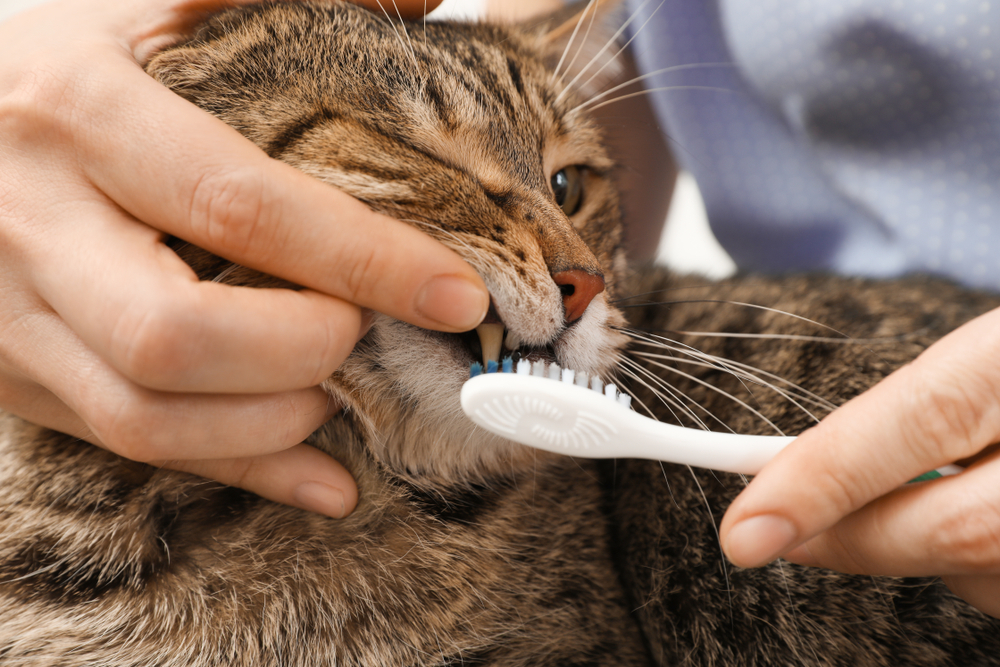
Daily brushing with pet-safe toothpaste is the single most effective thing you can do between professional cleanings. Even a few times per week helps. Products carrying the VOHC seal of acceptance have evidence behind their plaque or tartar control claims, so look for that seal when choosing dental chews, diets, or water additives.
Home care is a complement to professional cleanings, not a replacement. The combination of both is what provides the best long-term protection. Our online pharmacy has a full range of dental chews, wipes, toothpastes, and water additives. We are happy to help you find a routine and the right products that work for your lifestyle during your pet’s preventive care visits.
What Should You Do Next?
Dental disease is one of the most common and most undertreated conditions in pets, and its effects reach well beyond the mouth. The evidence linking severe periodontal disease to cardiovascular risk is strong enough to act on, and the solution is straightforward: regular dental evaluations, professional cleanings before disease advances, and consistent home care between visits.
If your pet has not had a dental evaluation recently, or if you have noticed bad breath, red gums, or any of the heart-related symptoms, now is a good time to check in. Our team is here to help you build a plan that protects both your pet’s mouth and their overall health.
Contact us with questions, request an appointment for a dental or wellness visit, or reach out to our urgent care team if symptoms need same-day attention.
Frequently Asked Questions
Does dental disease cause heart disease in pets? Not directly, but there is a strong, well-studied association. Pets with severe periodontal disease are significantly more likely to develop cardiovascular conditions like endocarditis and cardiomyopathy. Keeping teeth healthy is one of the most effective ways to reduce that risk.
Can my pet have a dental cleaning if they have heart disease? Often, yes. With careful planning, tailored anesthesia, and thorough monitoring, many pets with heart conditions can safely receive dental care. We will review your pet’s full medical history and design a plan that balances benefit and safety.
Are awake dental cleanings enough? No. Awake cleanings cannot address disease below the gumline, take X-rays, or provide pain control. Professional cleanings under anesthesia are the standard of care for a reason: they treat the disease that actually drives risk.
At what age should dental care start? Most veterinarians recommend a baseline dental evaluation by one year of age, with professional cleanings beginning when signs of disease appear. Small breeds often need their first cleaning earlier than large breeds. The earlier you start, the easier it is to stay ahead of problems.









Leave A Comment