
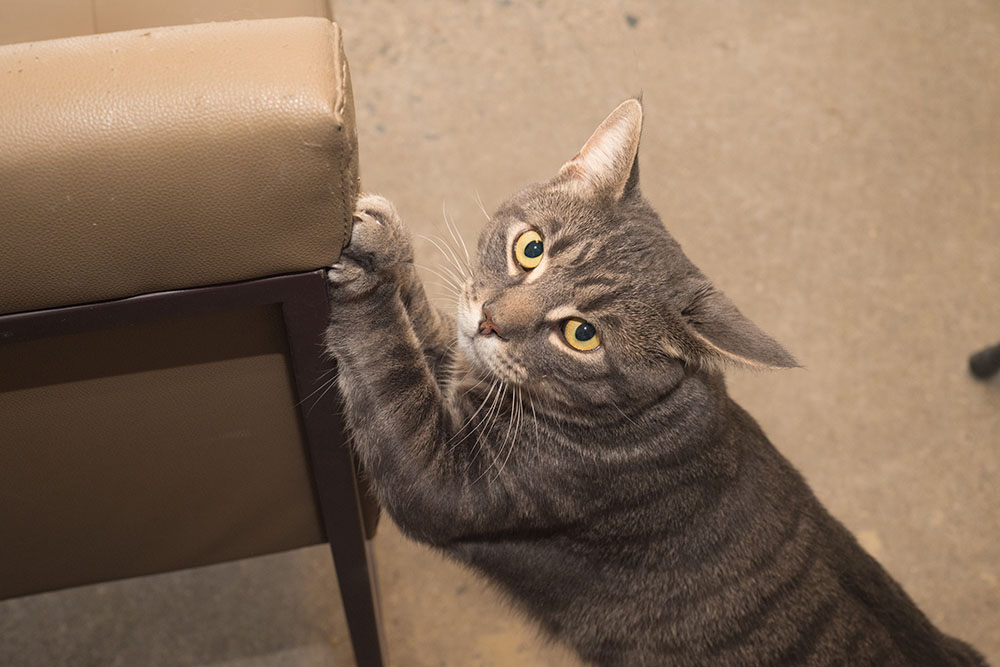
Has your normally friendly dog started growling, or your playful cat suddenly withdrawn from family life? What seems like naughtiness often has a deeper meaning. Behavioral changes can be confusing and may signal pain or illness. At Cane Bay Veterinary Clinic, our Fear Free team investigates whether stress, medical conditions, or environmental factors are at play, helping families restore balance for their pets.
Understanding Sudden Behavioral Changes
When pet owners notice their animal acting differently, the first question is often, “What changed?” The answer isn’t always clear, but understanding the potential causes can help determine when a professional evaluation is needed.
Why Do Pets Exhibit Sudden Behavioral Changes?
Medical Causes are among the most common reasons for sudden shifts in behavior. Pain, illness, or neurological conditions can dramatically change how pets interact with their families and surroundings. For example, feline hyperthyroidism may lead to aggression or hyperactivity in cats, turning a calm companion into an anxious, restless one. Similarly, dental pain can make an affectionate dog withdraw from family life or snap when touched.
Environmental Factors can also trigger noticeable changes, especially in cats. New surroundings, disruptions in routine, or the addition of a new pet can be major stressors. Even small changes- like rearranging furniture, modifying work schedules, or hosting guests- can upset a pet’s sense of stability and security.
Aging and Cognitive Decline bring unique challenges for senior pets. Conditions such as Cognitive Dysfunction Syndrome resemble dementia in humans, leading to confusion, disorientation, and disrupted sleep patterns. These changes often develop gradually but can seem to appear overnight once they start affecting daily behavior.
Common Behavioral and Habit Changes – What They Mean
Our pets communicate through their actions, and even small shifts in behavior or daily routines can signal that something isn’t right. These changes often serve as early warnings that your pet may be in pain or dealing with an underlying medical issue.
Aggression is one of the clearest red flags. It’s often less about dominance and more about discomfort or fear. Many cases of aggression are actually reactivity: a defensive reaction triggered by pain, anxiety, or fear. A dog who suddenly growls when touched, or a cat who begins hissing at family members, may be expressing discomfort that makes normal interactions painful. Sudden aggression should always prompt a veterinary visit to rule out pain or illness.
Lethargy and Withdrawal can also signal that something’s wrong. A once-active pet who now spends most of the day sleeping or avoiding contact may be experiencing pain, depression, or another medical issue. Cats are especially good at hiding illness. Lethargy can range from mild fatigue to a complete loss of interest in play, walks, or interaction. When a social pet suddenly prefers solitude, it’s time for a checkup.
Vocalization and Whining often reflect distress. While some pets are naturally more vocal, a sudden increase in whining, crying, or nighttime yowling can indicate discomfort or anxiety. Conditions such as separation anxiety, pain, or hormone imbalances like hyperthyroidism may all contribute. A change in your pet’s usual voice or vocal habits is a clear signal that something deserves attention.
Habit Changes often speak volumes. When daily patterns shift, it’s often because your pet feels physically limited or uncomfortable. Cats may stop using the litter box because squatting hurts, stop grooming, or avoid jumping onto favorite window perches. Dogs might hesitate to climb onto couches, avoid stairs, or lose interest in picking up toys. These subtle shifts, sometimes mistaken for aging or stubbornness, are strong clues that your pet could be in pain or struggling with mobility.
Because behavior and habit changes are your pet’s primary form of communication, they should never be brushed off as “just getting older” or “acting out.” Any sudden or persistent change warrants a veterinary visit. Early evaluation can make all the difference in identifying pain, illness, or neurological concerns before they progress.
Conducting a DIY Health Check
While professional evaluation is essential when behavior changes occur, pet owners can perform simple health checks at home. Use a DIY Dog Checkup to track your pet’s basic health between veterinary visits. Regular monitoring supports preventative care and helps detect problems early.
Keep a record of any changes in appetite, thirst, bathroom habits, sleep, and social interactions. These notes are incredibly helpful during veterinary appointments, offering insight into patterns that may not be obvious during a short exam.
Diagnostic and Treatment Options
When behavior changes raise concern, a thorough diagnostic approach helps uncover the root cause and guide treatment.
Comprehensive Veterinary Diagnostics
Blood Work and Imaging are essential for identifying health issues that may not show up during a physical exam. Blood work is critically important in detecting organ dysfunction, hormonal imbalance, or systemic disease that could trigger behavioral shifts.
Advanced Diagnostic Tools at modern practices like Cane Bay Veterinary Clinic can reveal conditions that were once difficult to diagnose. Our clinic offers diagnostic services including digital radiography, ultrasound, and laboratory testing to pinpoint the causes behind sudden changes in behavior.
Treatment and Management Strategies
Medication and Therapy depend on the underlying cause. Pain management protocols can restore comfort when physical discomfort is to blame, while anxiety medications may help pets struggling with stress-related behaviors. In many cases, behavioral therapy complements medical treatment by addressing learned responses or fear-based triggers.
Behavioral Modification techniques can help once medical causes are ruled out. Our team can guide you through training, environmental adjustments, and enrichment tailored to your pet’s needs. Positive reinforcement training, interactive activities, and indoor modifications for dogs and cats can significantly reduce stress and improve overall behavior.
Maintaining a Healthy Pet-Veterinarian Relationship
Ongoing veterinary care is key to understanding and addressing behavioral changes before they become serious.
The Importance of Regular Vet Visits
Routine checkups help track your pet’s health over time, making it easier to detect subtle changes before they cause major problems. Establishing a health baseline also gives your veterinarian valuable context when evaluating new symptoms or behavior patterns.
Establishing a Fear Free Experience
For sensitive pets, even visiting the clinic can cause stress. Cane Bay Veterinary Clinic is a Fear Free Certified practice, meaning our team uses gentle handling, calming environments, and individualized care to make every visit as comfortable as possible.

Taking Action When Your Pet Needs Help
Recognizing behavioral changes early helps protect your pet’s health and strengthens your bond through understanding and compassion.
If you notice sudden changes in your pet’s behavior, don’t wait- request an appointment with us. For urgent issues like sudden aggression, seizures, disorientation, or extreme withdrawal, our same-day urgent care services are available to provide immediate attention.
At Cane Bay Veterinary Clinic, our advanced diagnostics and Fear Free approach ensure your pet receives the thorough, compassionate care they deserve- so you can both get back to a happier, more balanced life together.






Leave A Comment